EN
EN
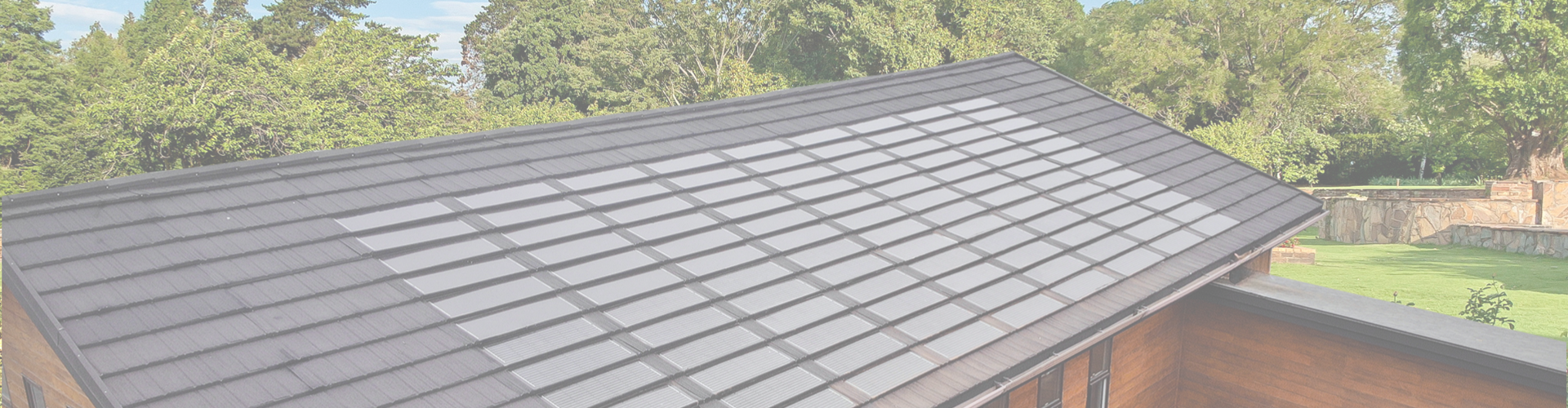
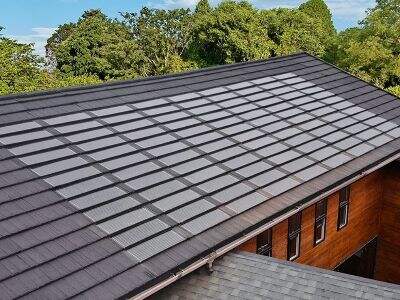
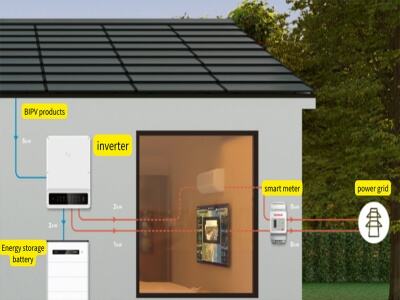
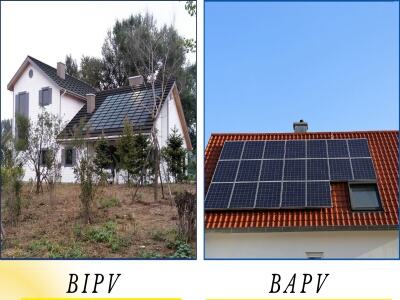
Many people have turned to solar energy as a way to power their homes and business. Solar systems are generally of two types: grid-tied and off-grid. A grid-tied system is connected to the electric grid, so when the sun shines it can just send electricity back there. It can be a savvy way to reduce electricity bills. However, an off-grid solar system is not linked to the grid. It relies on batteries to stash that energy for use when the sun isn’t shining. In this article, we’ll talk about what the two are and how they work, give some insight into what makes off-grid systems awesome for remote areas, and shed light on the ways solar in roof inverters make grid-tied systems stand out in a crowd. Top Energy is here to help you learn more about these systems.
What You Need to Know about Solar Power for Remote Locations?
Off-grid solar systems are a good solution for remote locations from cities and towns. It can be extremely costly or even impossible to connect rural areas to the electrical grid. If, for instance, you live in a cabin far from the grid in the woods, running wires to connect to electricity could cost thousands of dollars. They can also produce their own power from the sun, with an off-grid solar energy roof system. That is, they don’t rely on anyone else for electricity.
Consider a rural family. They can put solar panels on the roof and preserve energy in a battery. In sunshine, the panels generate electricity which charges the batteries. When it’s dark or overcast, they can tap the energy stored in the batteries. This should give them enough power for lights, refrigerators and even TVs without fear of outages.
Off-grid systems are also good for the planet. They generate clean energy and reduce pollution. Where utility power is not stable, having your own source of energy can provide peace of mind. And of course, such system can be adapted according to the user's disposition. If a family wishes to increase the power supply, more solar panel roofing or batteries can be added.
Another advantage is that some off-grid systems can be installed relatively quickly. You don’t have to wait for utility companies to charge you up. Some also like the self-reliance of driving off the grid. They’re closer to nature and can live anywhere. Overall, off-grid solar systems are a great option for anyone who wants electricity without needing to be connected to the grid.
What Is the Effect of Solar Inverters on Grid-Connected Systems?
Solar inverters are very essential in a grid-tied solar system. These contraptions turn the direct current (D.C.) electricity that a solar panel produces into the alternating current that most homes run on. If the inverter is not functioning properly, it can interfere with how much energy a household uses and how money they can save.
When solar panels are exposed to sunlight, they produce DC power. The inverter then converts this into AC power, which can be used indoors. If good it will make best use of the solar energy you produce. A good inverter is one that gets as much electricity back to the home with as little loss. For instance, if an inverter is highly efficient (i. e., it can convert more energy), then less money spent on electricity bills.
Additionally, solar inverters assist in tracking the performance of the system. They can display how much energy they are generating, and how much they consume. Know that You are Receiving Full Efficiency Information! This is valuable to consumers because the owner of the system can determine if their system has been working properly. If something goes wrong, such as a panel failing to generate electricity, the inverter can inform the owner immediately so they can remedy it.
Then there are different kinds of inverters, including string inverters and micro inverters. String inverters cluster several panels and are generally less expensive. Microinverters are attached to each panel directly, which can be an advantage if some panels receive more daylight than others. This variance gives homeowners the freedom to decide what they need.
In short: solar inverters are an imperative part of grid tied systems. They not only transform energy, but they also serve as a way to keep track of how well things are running. Whether or not you have properly sized energy savings and a reliable solar system from optimum yield your should make for the right inverter. At Top Energy it is our desire for you to have the best tools available to enable your solar experience successful.
Differences in Cost Between Grid-Tied and Off-Grid Solar Systems
When people hear about solar power, one of the first questions they ask is what is solar panel cost? Types of Solar Power SystemsThere are mainly two types of solar power systems – grid-tied and off-grid. Grid-tied systems are tied to the local electricity network and extract electricity at no charge from a T&D system, off-grid solar power prepares stand-alone equipment for consumers’ neutral use. These systems also range widely in cost.
Grid-tied solar systems are generally easier and cheaper to install than off-grid systems. This is because grid-tied systems don’t require a large battery to bank power. Instead, they ship excess power back to the grid. When you generate more electricity than you consume, the grid will take it, perhaps even pay you for some of it! This means the floor cost is lower. All you really need are the solar panels, an inverter to convert the energy into a usable format and some simple wiring.
On the downside, off-grid systems can be extremely costly. They require batteries, to store the energy so you can use it when the sun isn’t shining. These batteries can be expensive. Besides, off-grid systems tend to require a larger array of solar panels so you have enough energy on cloudy days or in the winter. This means that if you opt for an off-grid power system, you will pay a lot more up front. But in the end, you’ll have free electricity and so some see it as a good investment.
At Top Energy, we can help you to make things clear with the pricing and what is a perfect solution that could fits your desires, either it will be grid-tied or off-grid. Being aware of cost discrepancies can help you to make a more informed decision about solar power for your home or business.
How Does Winter Time Impact The Efficiency Of Off-Grid Solar Systems?
Sun exposure can vary widely with the season. This shift can affect how well off-grid solar systems function. In the summer, days are long and sunny; so solar panels can generate lots of energy. That’s great for off-grid systems, which can charge batteries rapidly and draw on the plenty of power supply day or night or in cloudy conditions.
And then there’s winter. Days are shorter, with more clouds and possibly snow. This can make it more difficult for solar panels to gather sunlight. As a result, off-grid systems may not get as much power production, so batteries might take longer to charge. Without enough stored energy, it can be a challenge for those who depend on off-grid systems. They may have to hoard their use of energy, so they don’t run out.
Top Energy gets this and can work with you to address them. We can give you recommendations on how to make your system more efficient, such as installing additional panels or using energy-efficient appliances. Understanding how seasons impact solar power can help you ensure your off-grid system continues to run smoothly throughout the year.
What are the wholesale advantages for business solar systems?
There are several reasons why businesses should consider installing solar systems. For one, the use of solar energy can reduce your electricity bill by a significant amount. For businesses with high power usage these very well could be huge! Rather than send electric companies a high monthly payment, businesses can generate their own power from the sun. This allows them to keep more money in their pockets, which they can use for other important things like hiring new employees or expanding their services.
A further big benefit is that firms can demonstrate they care about the environment. Solar energy reduces pollution and greenhouse gases. This is good for the planet and can help attract customers who want to support environmentally conscientious companies. Businesses that use solar power can promote themselves as “green” and draw in more customers who value the environment.
There are also government incentives that companies can benefit from when they go solar. These could range from tax credits or rebates that lower the cost of installation. Top Energy can help businesses understand these incentives and discover how to take advantage of them.
In short, solar systems make a way for businesses to save money, bring in eco-conscious customers and benefit from government incentives. See how companies are making hay with the sun.
Table of Contents
- What You Need to Know about Solar Power for Remote Locations?
- What Is the Effect of Solar Inverters on Grid-Connected Systems?
- Differences in Cost Between Grid-Tied and Off-Grid Solar Systems
- How Does Winter Time Impact The Efficiency Of Off-Grid Solar Systems?
- What are the wholesale advantages for business solar systems?