EN
EN

Analysis: The Development Prospects and Trends of the BIPV Industry
Industry Analysis • Renewable Energy • Future Architecture
Optimistic Market Prospects
The transition toward green buildings is accelerating globally. According to market research, BIPV is one of the most critical implementation approaches for renewable energy in urban environments.
Global BIPV Market Projection
$10B (2021) ➔ $25B (2028)
Driven by government incentives and the pursuit of energy efficiency.
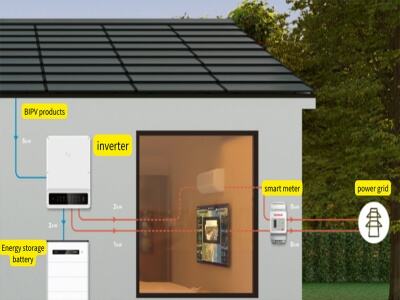
Integration allows buildings to generate their own electricity, reducing reliance on traditional grids while improving overall energy efficiency—a cornerstone for sustainable urban development.
Key Development Trends
1. Aesthetics and Design Flexibility
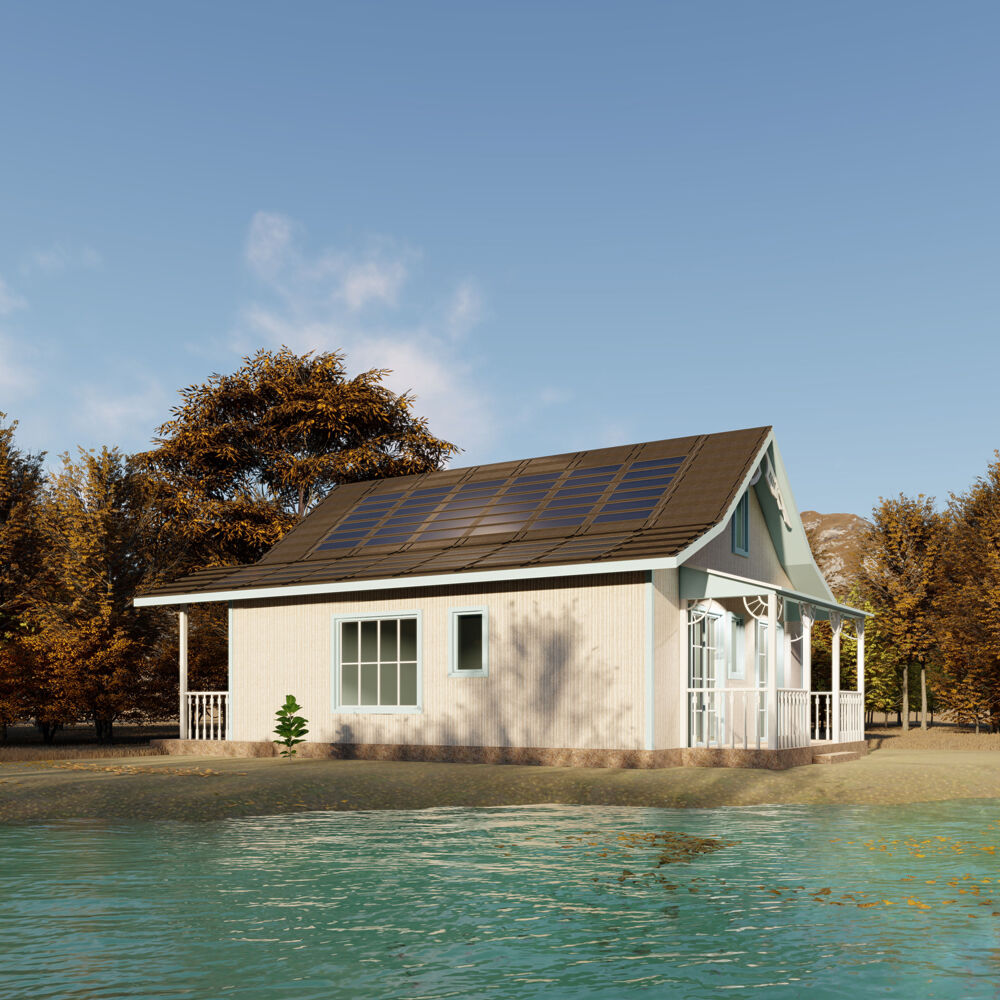
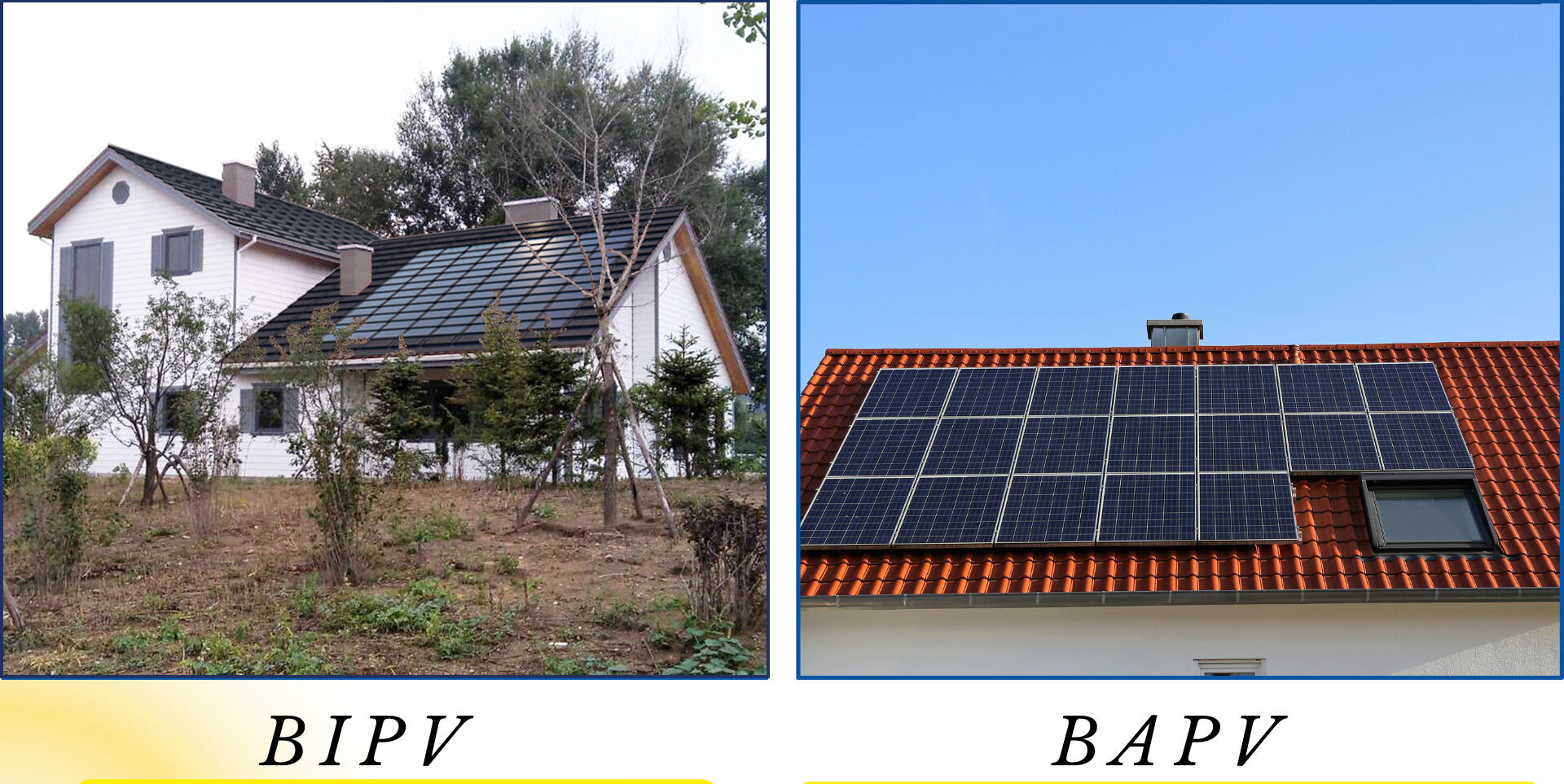
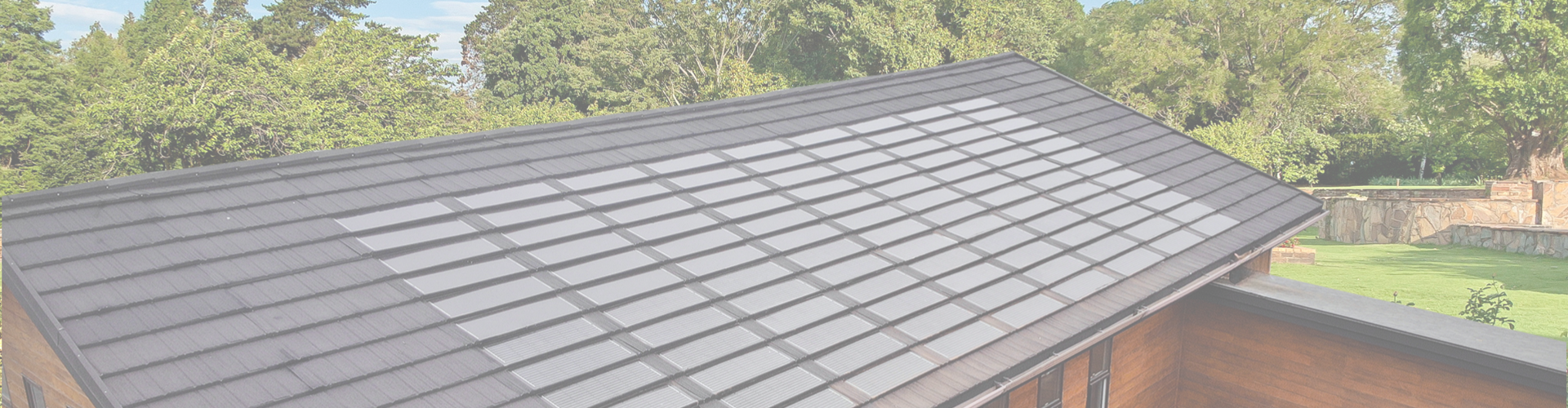
The era of "one-size-fits-all" blue solar panels is over. Modern BIPV focuses on seamless integration into facades, roofs, and windows. With various colors and textures, BIPV now serves as a creative architectural element rather than a bulky add-on.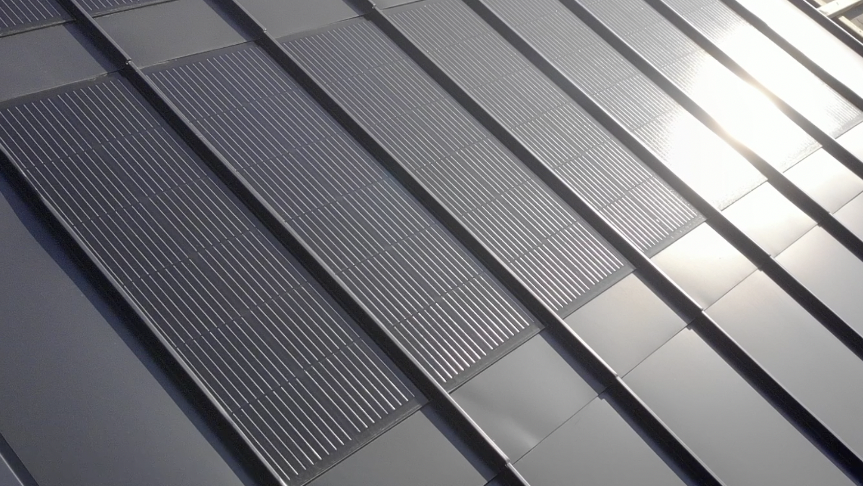
2. Intelligence and IoT Integration
The future of BIPV is Smart. Progress in AI and the Internet of Things (IoT) enables buildings to intelligently manage energy:
- • Real-time monitoring of energy consumption vs. weather conditions.
- • Optimized storage and usage through intelligent sensor arrays.
- • Seamless interconnection with building control systems.
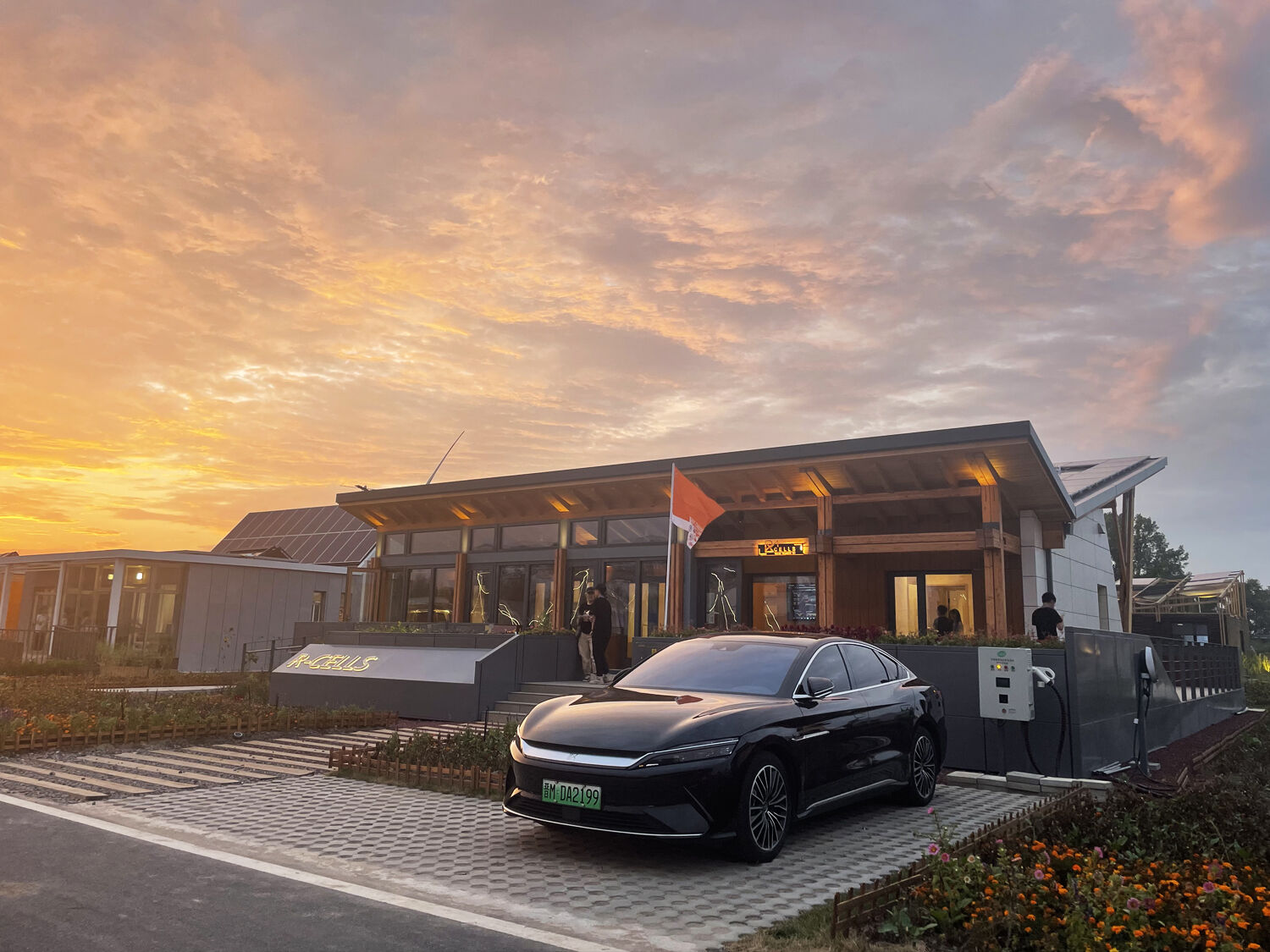
3. Expansion into Infrastructure
BIPV technology is moving beyond the home. We are seeing expansion into roads, bridges, and tunnels. Imagine solar-collecting roads supplying power to surrounding facilities—making infrastructure a key contributor to city-wide sustainability.
Addressing the Challenges
Despite the potential, two hurdles remain: Cost and Standardization. While initial investment remains relatively high, production scaling is rapidly driving prices down. Simultaneously, the industry is working toward unified certification systems to regulate this innovative field.


 Hot News