Get a Free Quote

Our representative will contact you soon.
Email
Name
Company Name
Mobile
Message
0/1000
what is bmpv bipv and bapv-0

Blogs

Home >  Blogs

What is BMPV, BIPV, and BAPV?

Aug 12, 2025

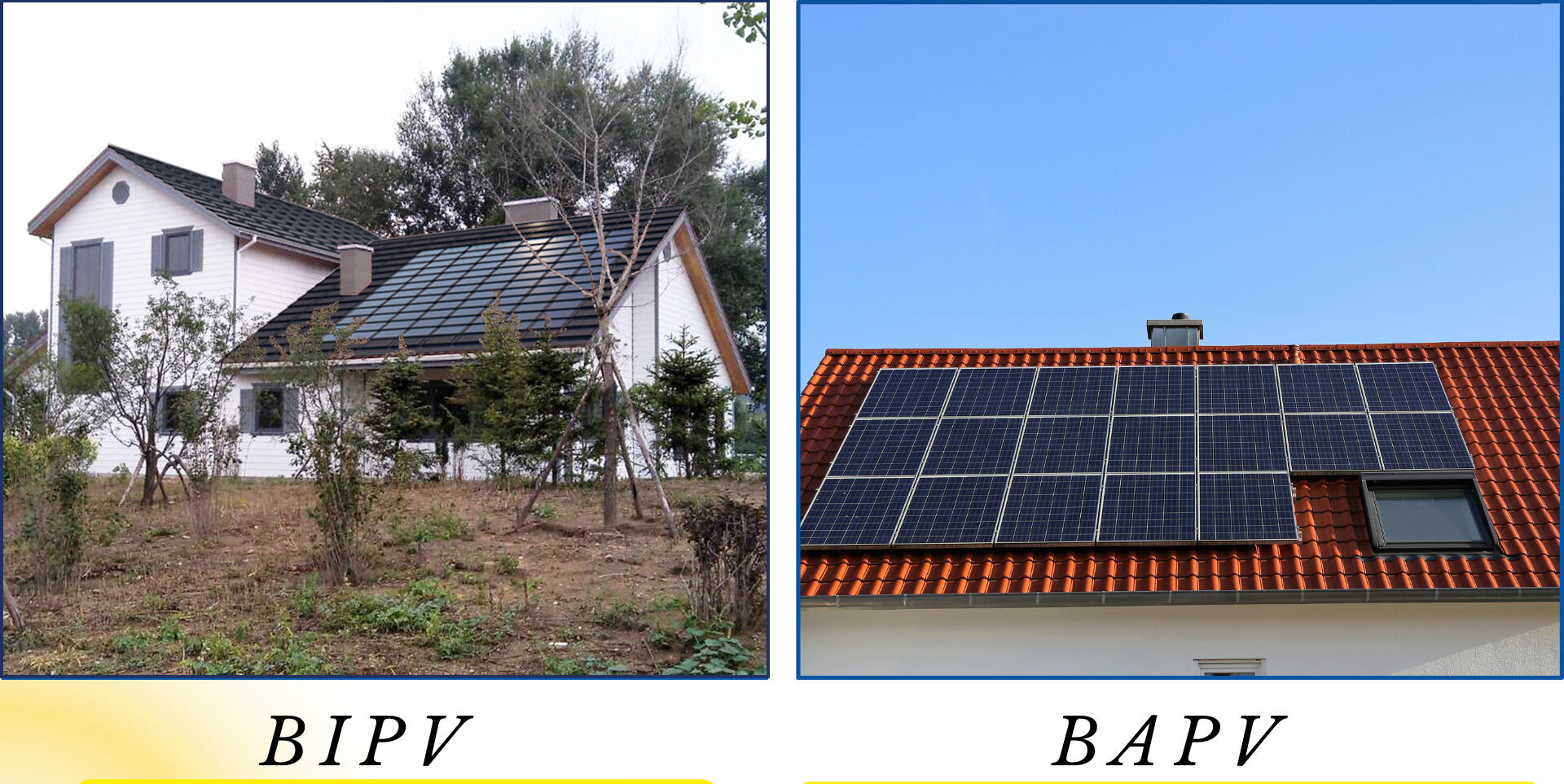
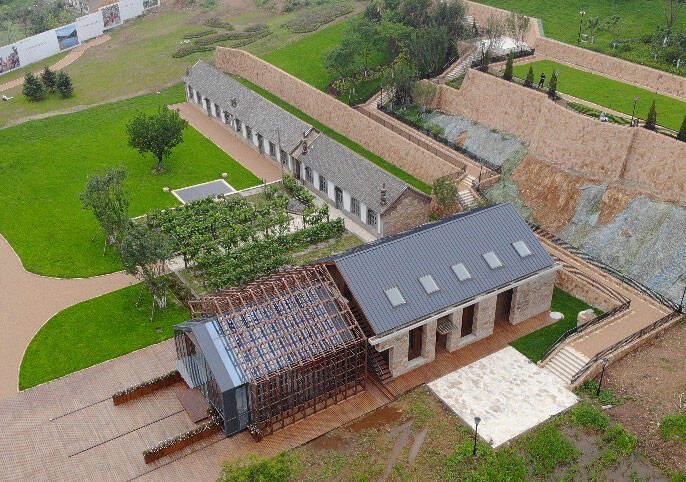
"BMPV" (Building Mounted Photovoltaic): A photovoltaic power generation system installed on a building, also known as "building photovoltaic." BMPV includes BAPV and BIPV. The buildings involved include various civil buildings, public buildings, industrial buildings, and other buildings that can carry photovoltaic power generation systems.

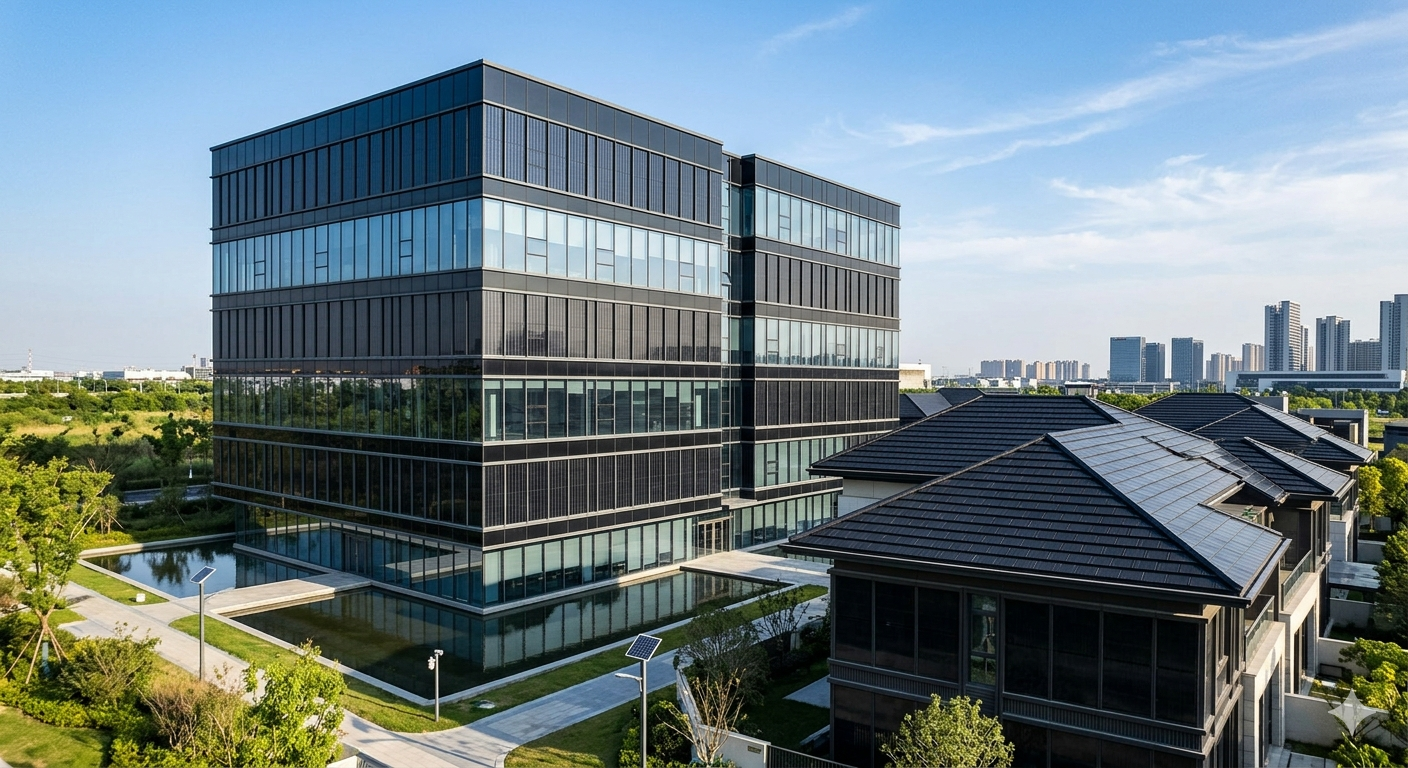
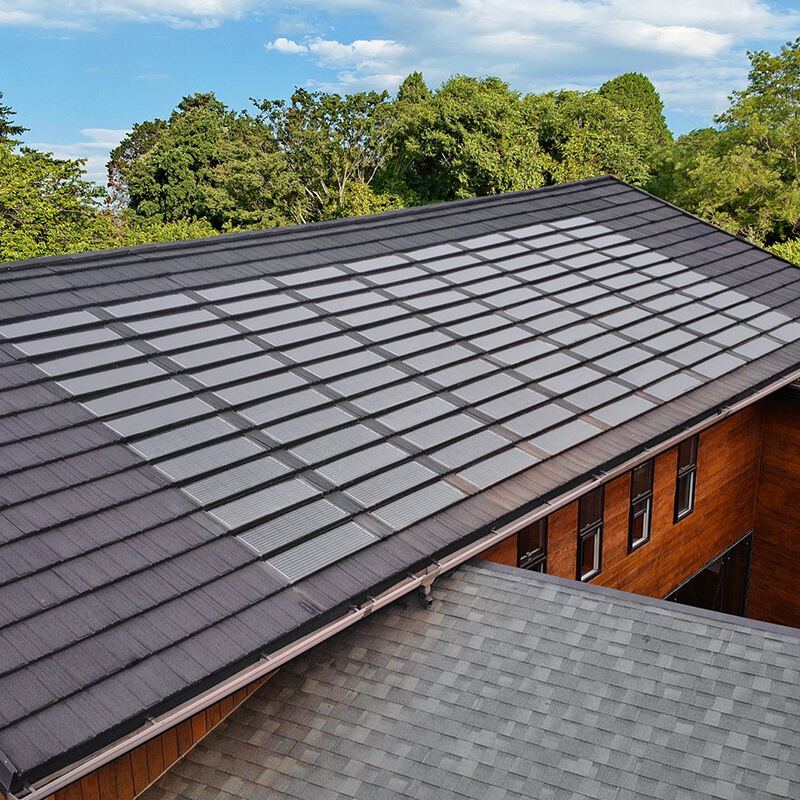
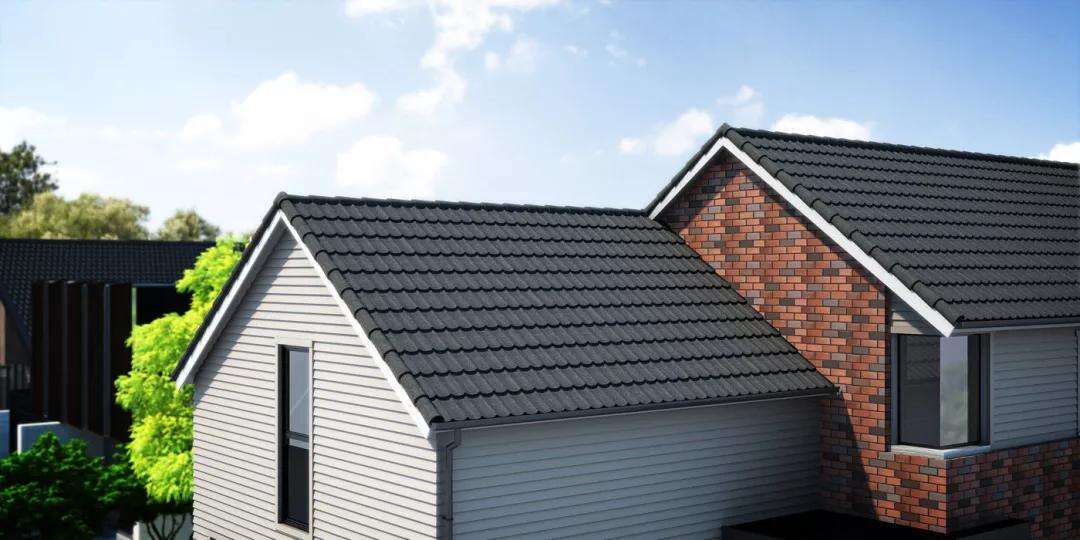
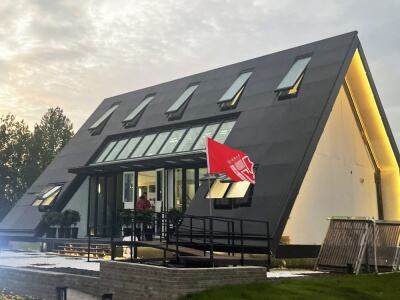
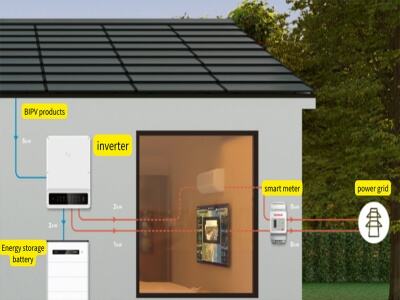
"BIPV" (Building Integrated Photovoltaic): A solar photovoltaic power generation system that is designed, constructed, installed, and perfectly combined with the building, also known as "building-integrated" and "building-materials" solar photovoltaic buildings. It not only has power generation function but also has the function of building components and building materials. It can even enhance the aesthetics of buildings and form a perfect unity with buildings.

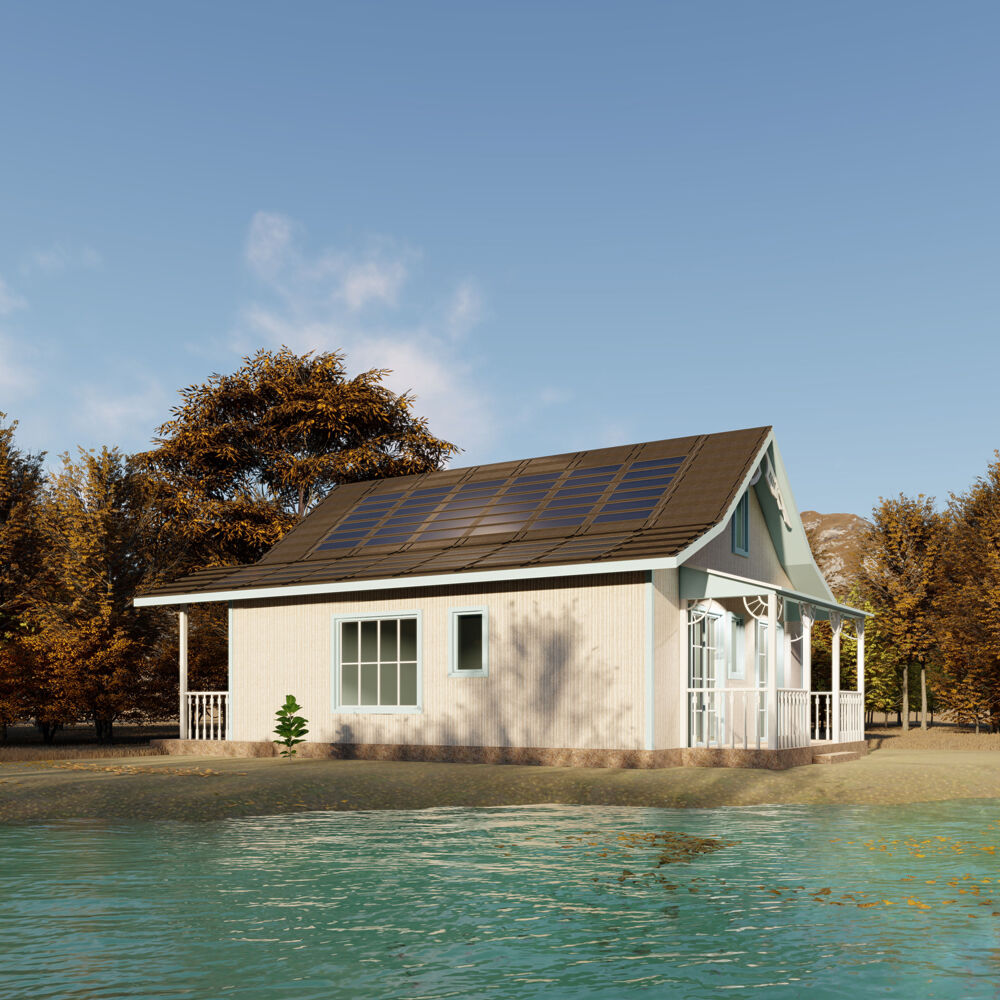
"BAPV" (Building Attached Photovoltaic): A solar photovoltaic power generation system attached to a building, also known as an "installation-type" solar photovoltaic building. Its main function is power generation, which does not conflict with the functions of the building and does not damage or weaken the original functions of the building.

BIPV-&-BAPV.jpg

What are the applications of BIPV?


BIPV is mainly used in the surrounding walls or exterior walls of buildings. It can also be used in the shade structure of building parking lots and building courtyards. BIPV can be applied to sloping roofs, large buildings' roofs, as well as individual residences, commercial buildings, school and hospital buildings, airport and subway stations, bus platforms, and large factory workshops.

What are the advantages of applying BIPV?


There are significant advantages to applying photovoltaic power generation to buildings, which can be seen in the following aspects: Building-integrated photovoltaic components can replace some building components, directly using the main structure of the building as the support structure for the photovoltaic components, without occupying additional building space and land resources, which also reduces the cost of the photovoltaic system.

Generation and usage on-site eliminates the need for power transmission lines, saving investment in power plant transmission grids, and greatly reducing power loss in transmission and distribution. The daily/seasonal power generation of building-integrated photovoltaic systems can align with the peak demand periods of buildings, effectively reducing building electricity consumption. This is especially beneficial during high load periods in summer, alleviating pressure on the public power grid. Installing photovoltaic arrays on roofs, walls, and other building envelopes can significantly reduce the surface temperature of the building envelope structure while converting solar energy into electrical energy. This helps reduce cooling loads for indoor air conditioning.

What are the positive effects of BIPV on buildings?


(1) Enhancing the aesthetic appeal of buildings. The unique aesthetic characteristics of photovoltaic components, such as color, geometry, and texture, can influence the overall appearance of buildings. When exposed to sunlight, the position and type of photovoltaic components can create different light and shadow effects, colors, and transparencies, creating a distinctive style and aesthetic appeal for buildings.

Matching the scale of photovoltaic systems with the size of building components is essential to better integrate the photovoltaic system with the structure and enhance the overall visual experience of the building. For example, the Kaohsiung Dragon Tiger Sports Stadium utilizes the color, texture, and scale of crystalline silicon photovoltaic components to create a sense of scale from dragon scales, dragon bones to a soaring dragon, creating a proportional effect from the specific to the overall.

By arranging cadmium telluride photovoltaic modules in contrast to glass, ordinary glass curtain walls are arranged horizontally, while cadmium telluride photovoltaic curtain walls are angled with the glass curtain walls, creating a simple vertical line arrangement. The east-west facing scales cleverly separate the photovoltaic glass from ordinary glass, increasing the amount of sunlight received from the south and enhancing power generation. At the same time, by utilizing the space created by the east-west facing design, ventilation louvers are incorporated, creating a visually dynamic arrangement of photovoltaic glass. The overall appearance of the building has a unique three-dimensional effect, with the photovoltaic glass complementing the ordinary glass.

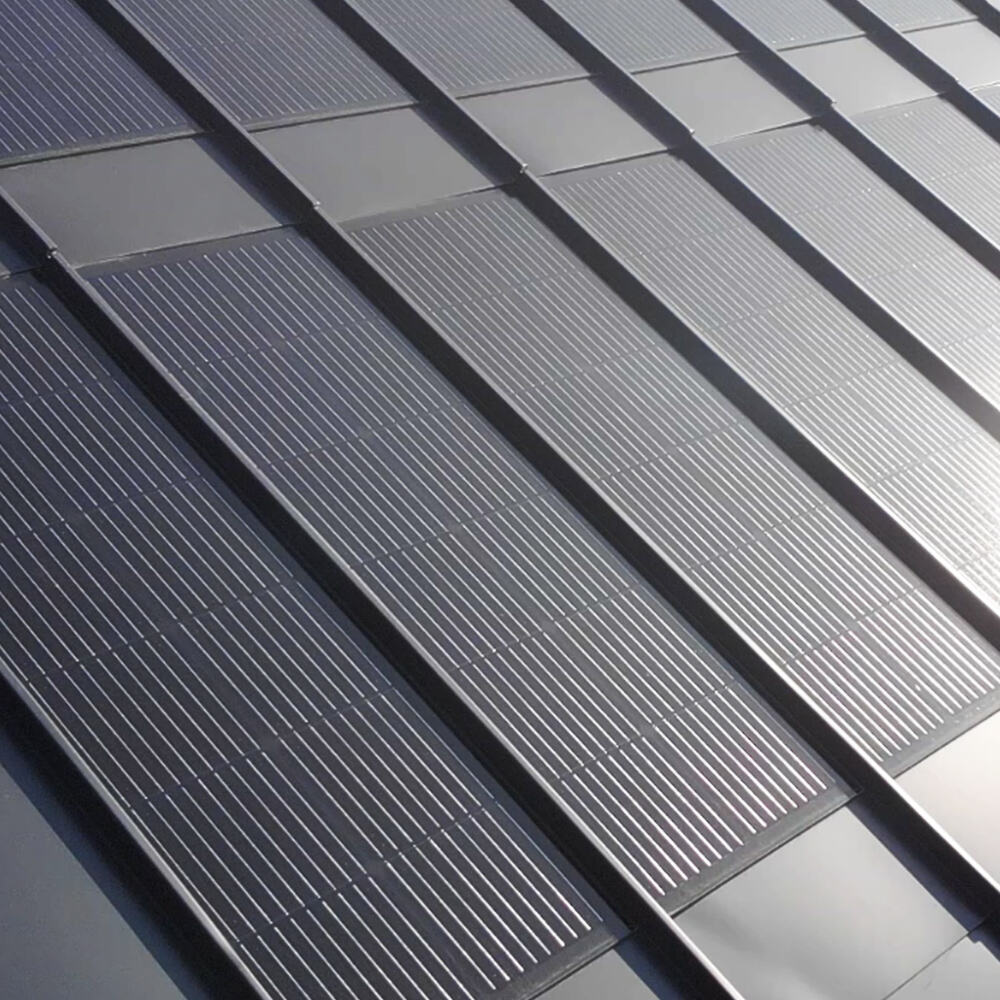
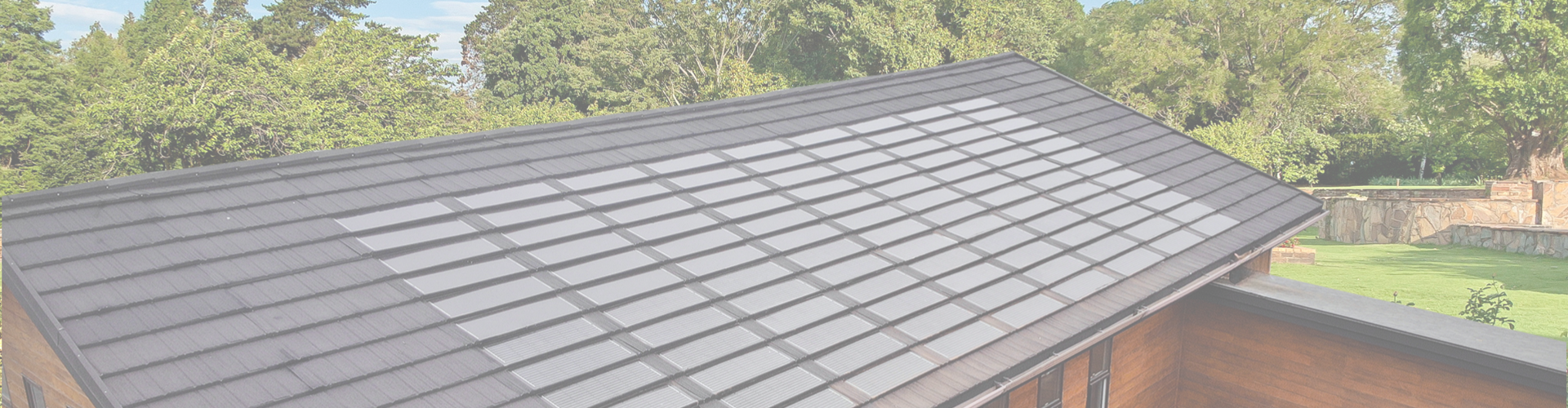
(2)Substitute for original building components. Building-integrated photovoltaic (BIPV) components integrate solar cells with different types of substrates such as metal, glass, or organic materials. They can provide the same functions as the original building components and can be installed in the corresponding parts of the building. Their physical, structural, and safety performances meet the requirements of the corresponding parts, and in some cases, even exceed those of the original building components. Common types of BIPV systems include photovoltaic tiles, hollow glass photovoltaic components, aluminum honeycomb panel photovoltaic components, vacuum glass photovoltaic components, and FRP (Fiber Reinforced Polymer) panel photovoltaic components, etc.

(3) Promote or expand the use functions of buildings. By utilizing the physical properties of photovoltaic components, the original use functions of buildings can be improved or expanded through architectural design methods, creating more benefits. Solar cells can absorb more solar energy, reducing the direct radiation of sunlight on the roof and providing insulation and thermal insulation; they can also absorb direct sunlight and part of the reflected light, converting most of the solar radiation energy into electrical energy.

(4)Improve the comfort of building use. Improve indoor daylighting comfort with photovoltaic components. Arrange photovoltaic components and coated glass alternately to prevent excessive direct sunlight from entering the interior. At the same time, utilize the coated glass between the photovoltaic components for daylighting and ventilation to improve the indoor lighting comfort. The design of the coated glass meets the visual range when standing or sitting. Taking into account the local climate conditions, set up a photovoltaic daylighting atrium, which can solve the daylighting of the rooms inside the atrium and use the photovoltaic components to block excessive sunlight from entering the interior to avoid overheating.

(5)Improve the energy efficiency of buildings. Photovoltaic components can be installed in various forms on buildings, generally based on the basic conditions of the building project. Different installation forms of photovoltaic components can have additional additional functions.

Get a Free Quote

Our representative will contact you soon.
Email
Name
Company Name
Mobile
Message
0/1000