Home > Products > Solar Roof > BIPV > TE-C
Asphalt shingles are popular roofing materials made from a base mat (usually fiberglass or organic) coated with asphalt and topped with protective mineral granules for durability and color.
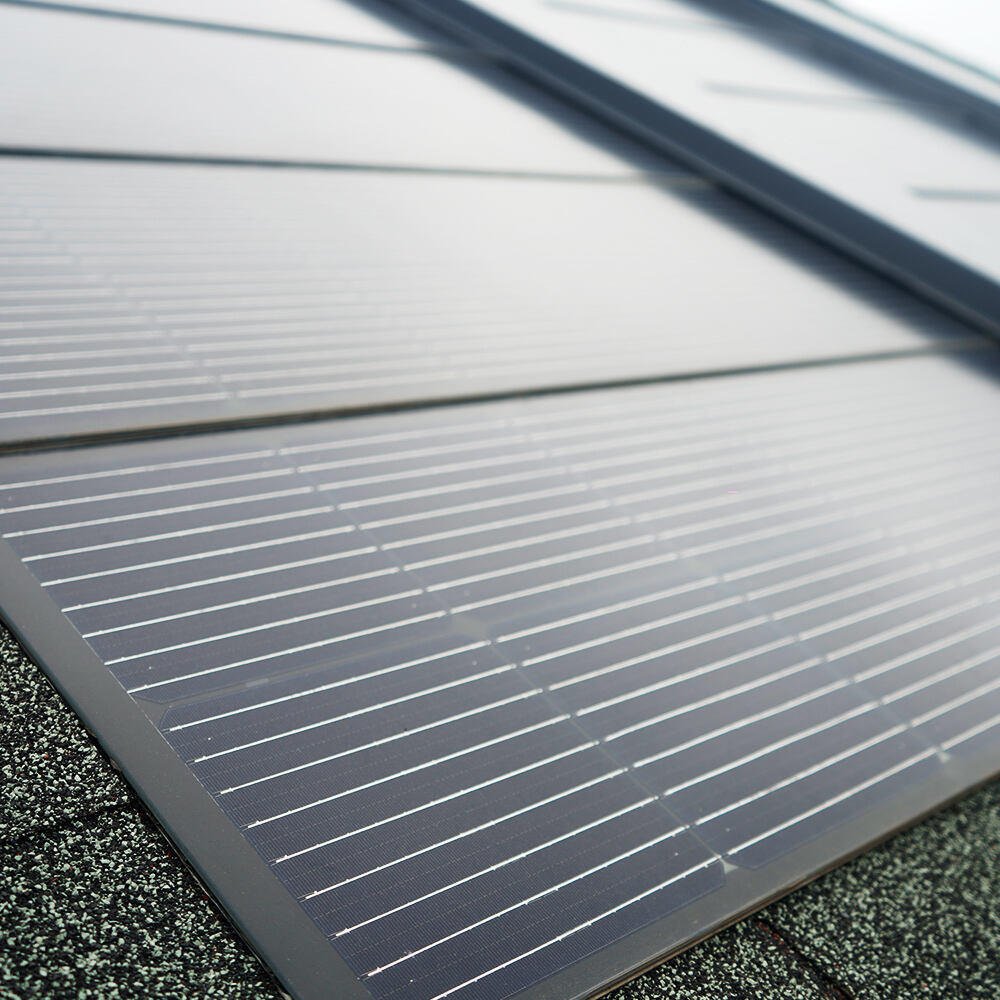
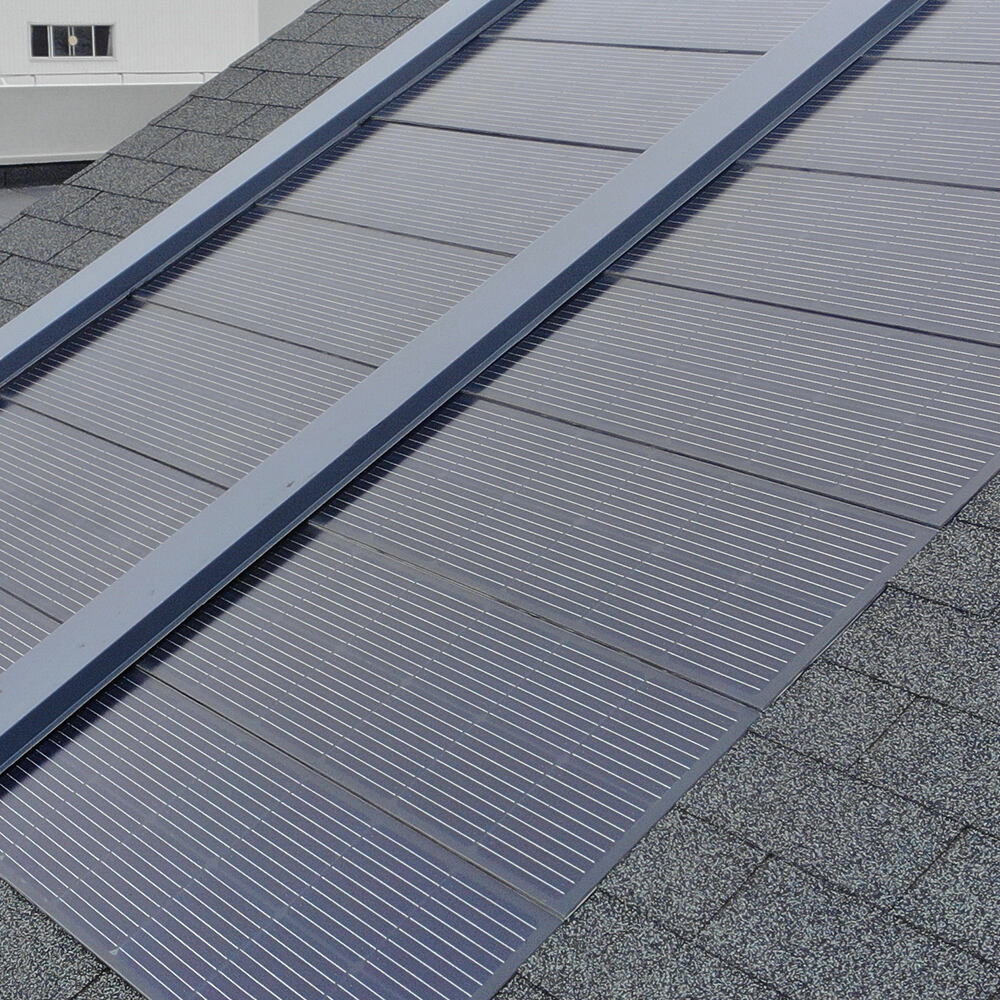
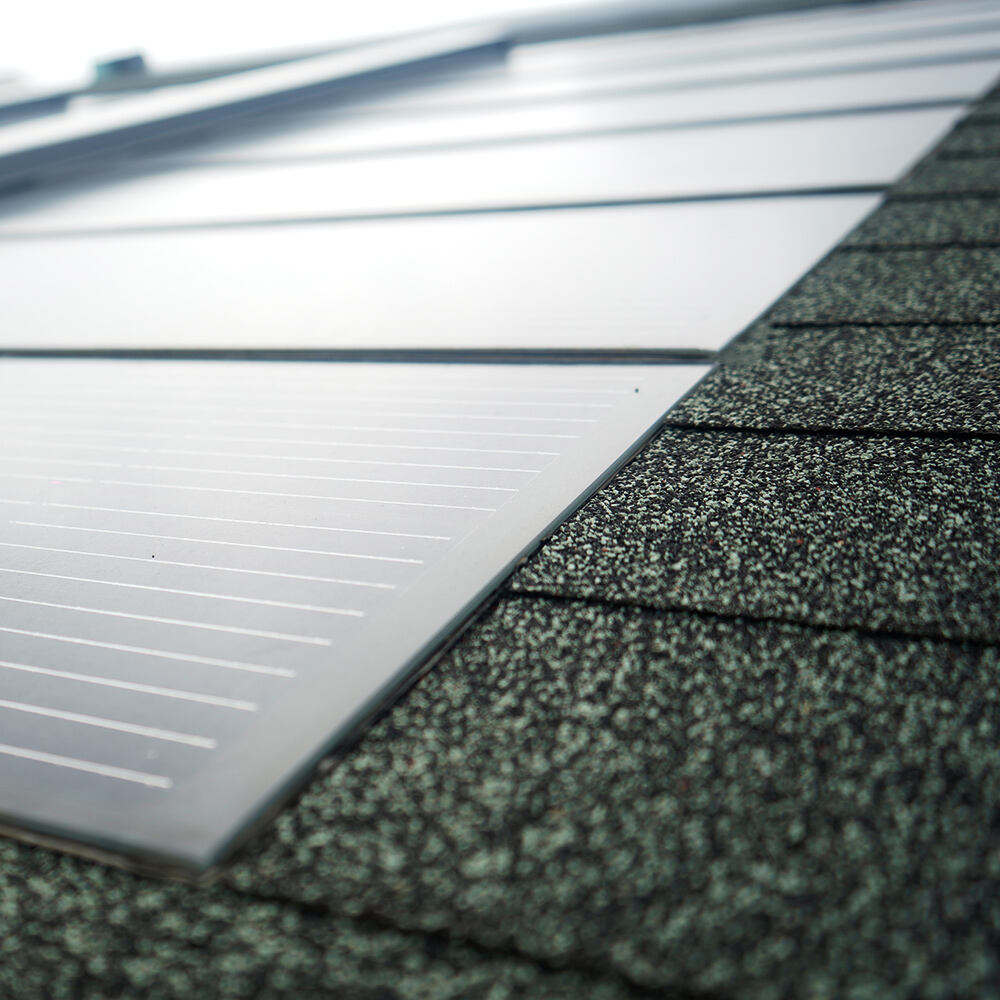
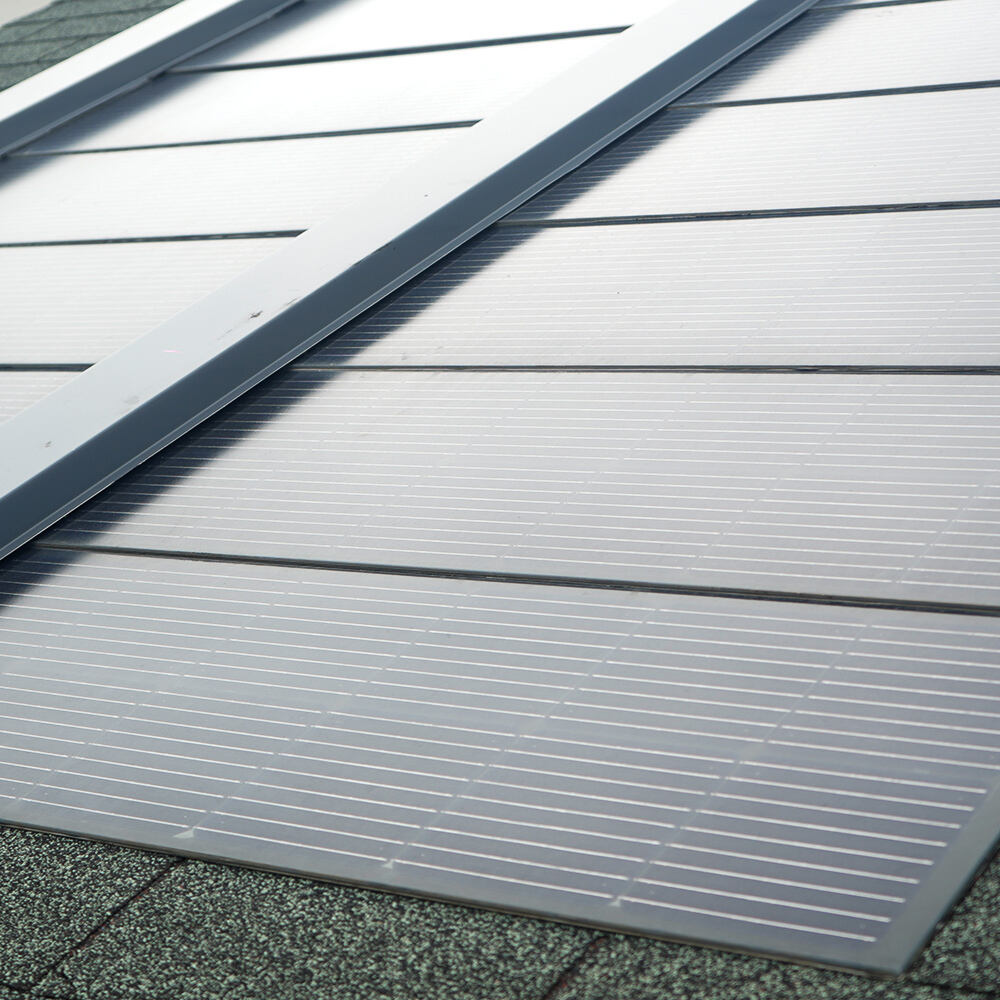
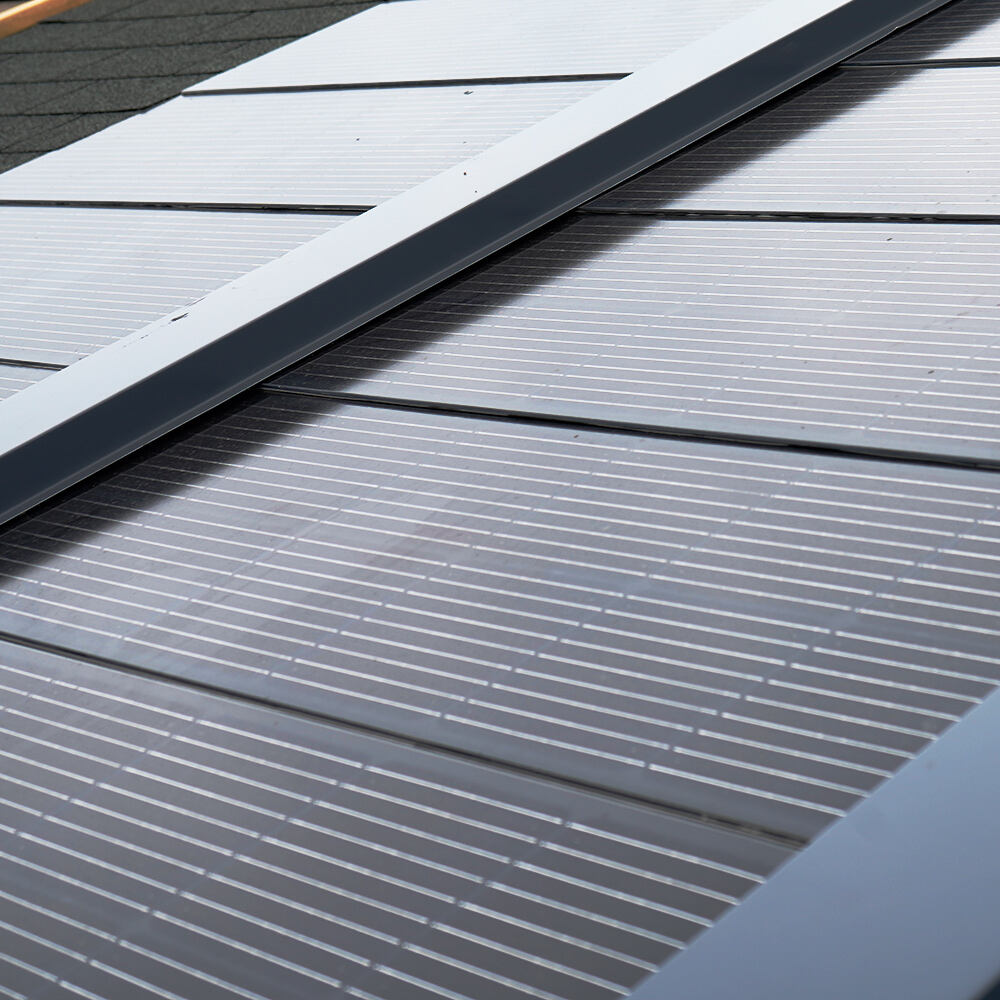
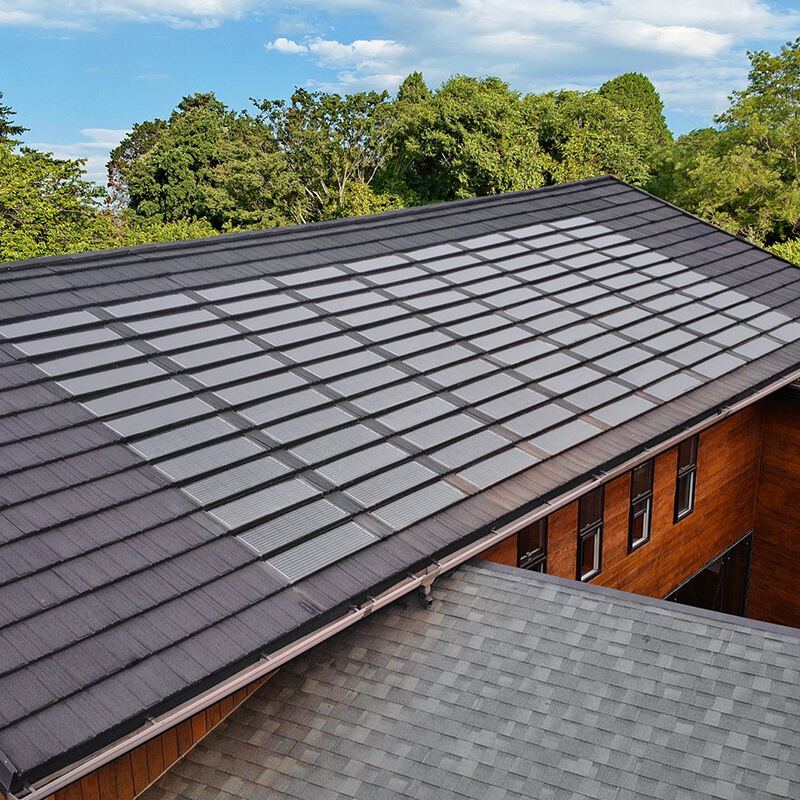
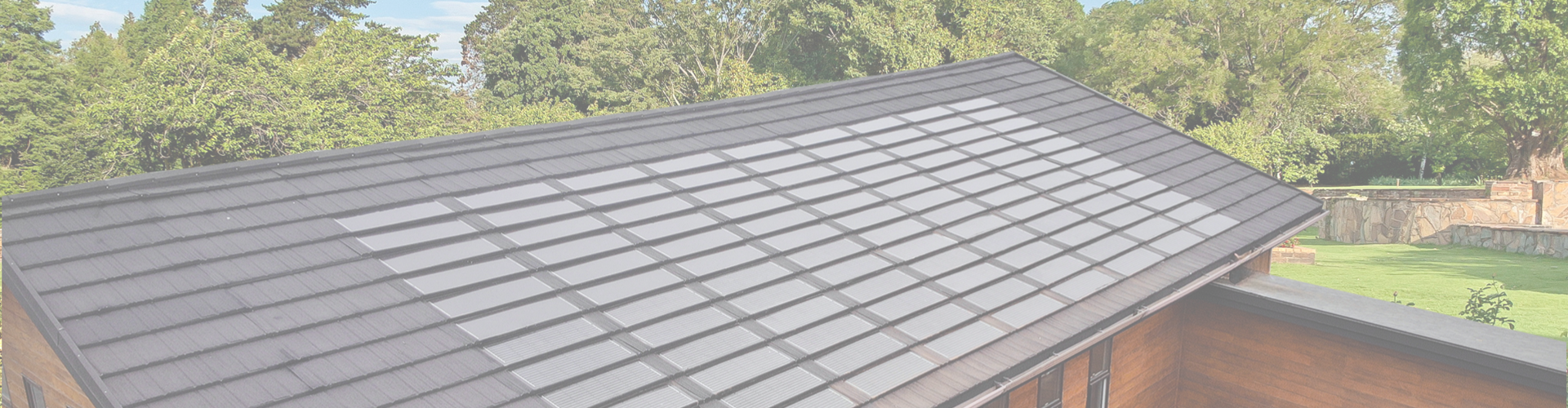
Asphalt solar shingle, not panels or heavy tiles. This solar roof goes on with a asphalt solar shingle, not panels or heavy tiles. This solar roof goes on with a nail gun, which lays flush against the roof deck, providing durability and protection that looks great. The installation process is straightforward, providing excellent weather resistance, safety, efficiency, elegance, and cost-effectiveness.
Integrated the photovoltaic components into flexible high-polymer architectural rolls to create the Top Energy® C Series shingles.
| Overall Dimensions | 1220mm×600mm(0.732㎡) | |
| Effective Dimensions | 1150mm×360mm(0.414㎡) | |
| Units /㎡ | 2.42 units/㎡ | |
| Weight | 4.5kg | |
| Base | TPO membrane | |
| PV Module Materials | Cell Type | monocrystalline |
| Cell Amount | 12 piece | |
| Facing Material | 3.2mm super white coated temperedglass | |
| Backing Material | black double-sided fluor inatedcoating | |
| Cable Connectors | MC4 | |
| Electrical Characteristics | Max. output power | 75W |
| Open-circuit voltage | 8.1V | |
| Max.open-circuit voltage | 6V | |
| Short-circuit current | 12.72A | |
| Max. operating current | 9.48A | |
| Operating Characteristics | Operating temperature | -45℃~85℃ |
| Max. system voltage | 500V | |
| Operating Temperature | 45℃ | |
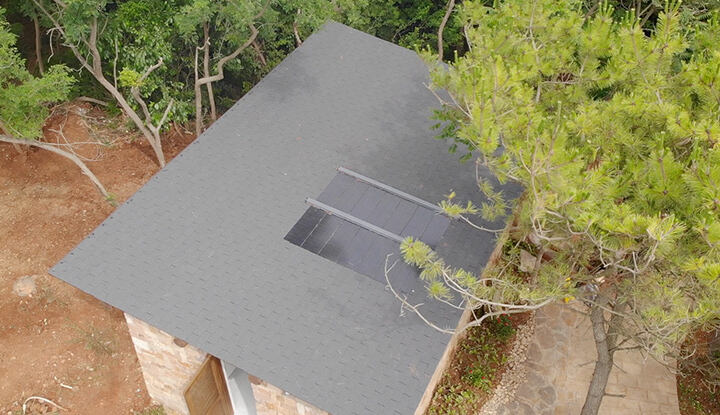
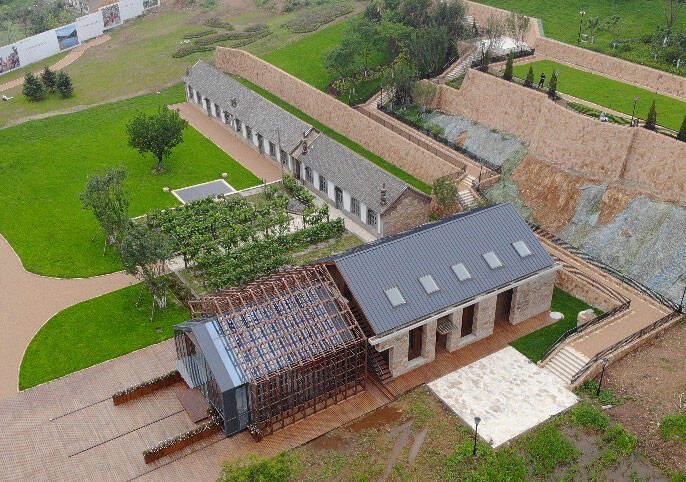
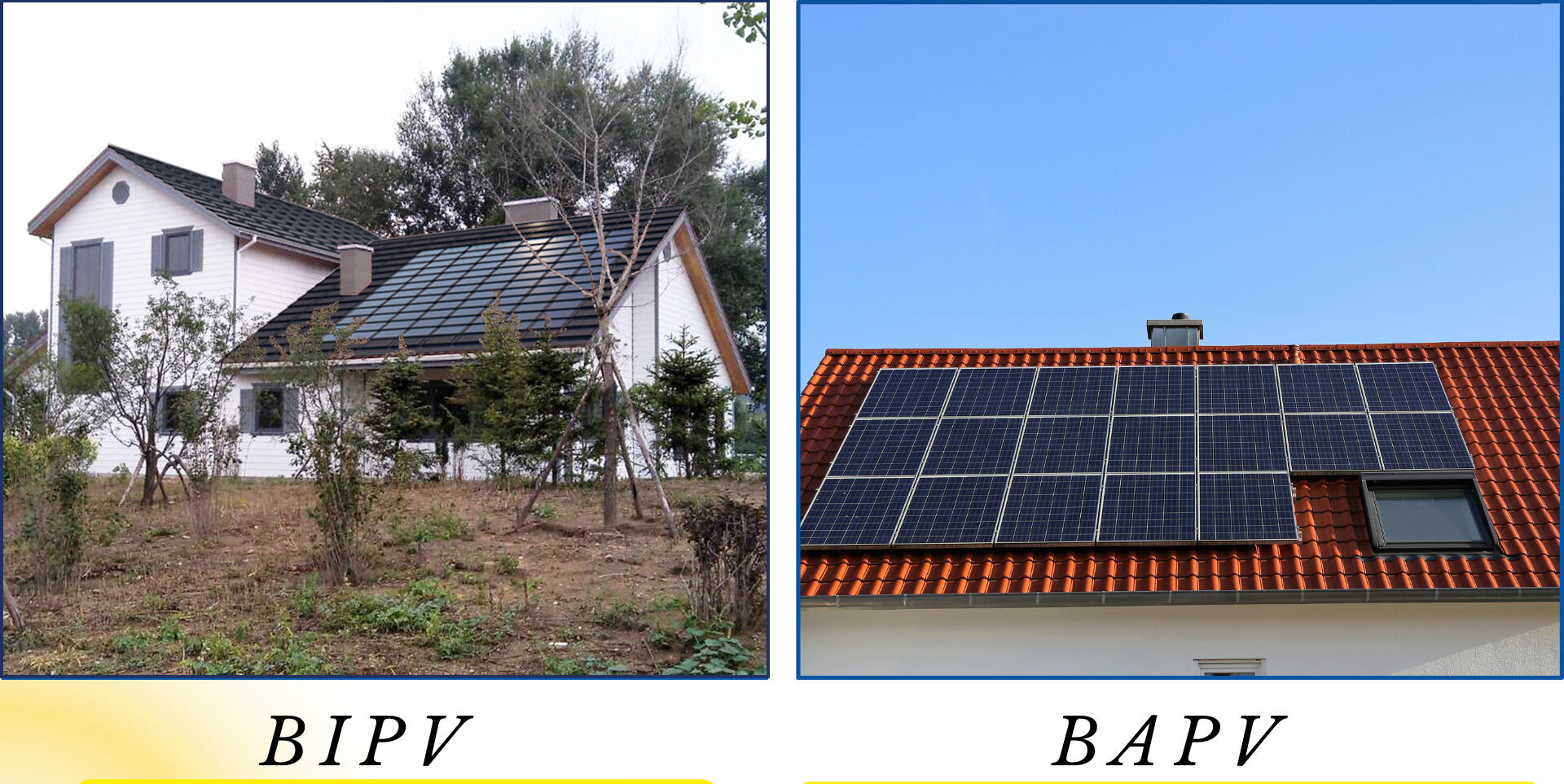
BIPV systems are integrated into the building structure and serve as building materials, which means they do not require additional space and blend in with the building's design. This is in contrast to BAPV systems, which are added on top of existing building materials and can often look out of place. BIPV is the clear winner when it comes to aesthetics.
BIPV systems have a longer lifespan than BAPV systems. This is because BIPV systems are integrated into the building structure, which protects them from weather damage. BAPV systems, on the other hand, are applied to the building surface as an external layer and are, therefore, more prone to damage from weather conditions. BIPV provides a more durable and long-lasting solution.
BIPV systems can be designed to optimize the building's orientation and shading, making them more energy-efficient than BAPV systems. BIPV systems can effectively reduce the building's energy consumption by providing insulation and shading. BAPV systems, on the other hand, cannot be designed to optimize the building's orientation and shading, resulting in lower energy efficiency.
BIPV systems can serve as both a building material and a power generator, reducing overall construction costs and energy expenses. In contrast, BAPV systems are added on top of existing building materials, which means they do not provide any cost savings in terms of construction. Additionally, BIPV systems have a higher return on investment due to their longer lifespan, better energy efficiency, and aesthetic appeal.
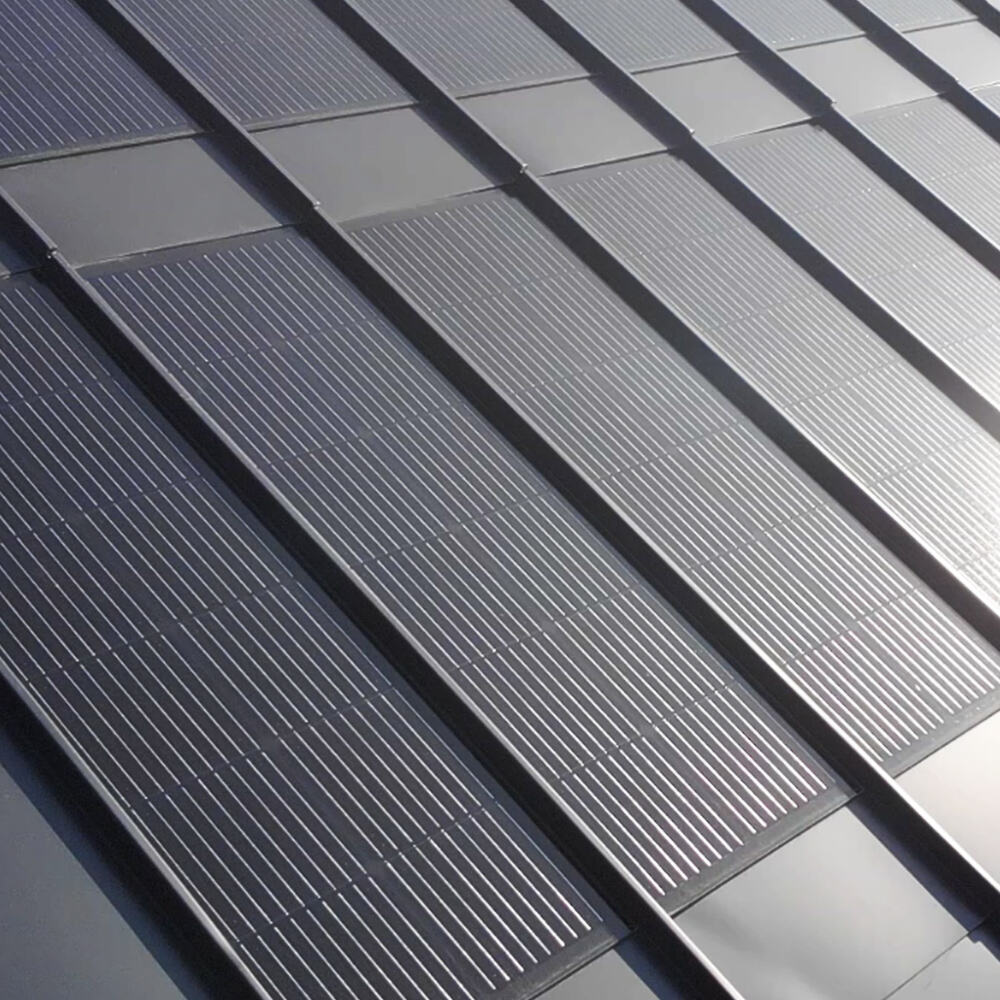
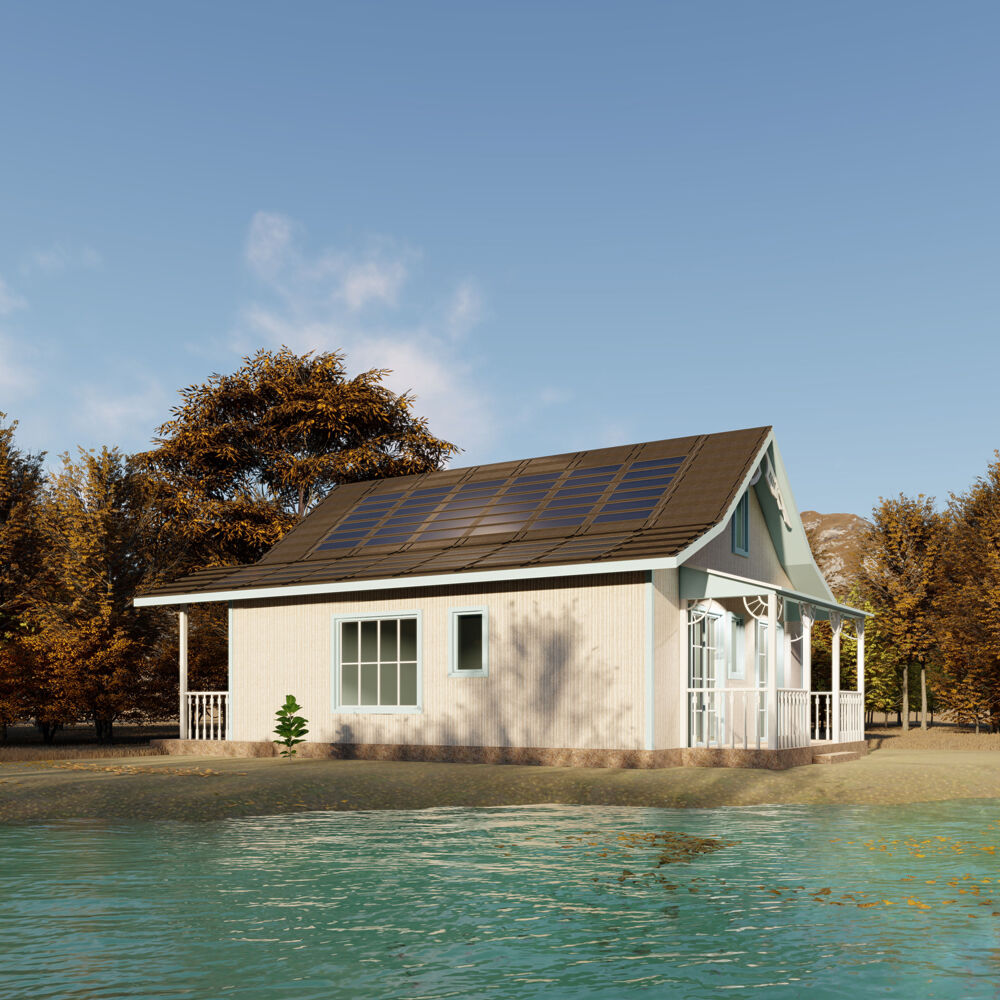
Quacent is a world leading panelized/modular prefab house provider for 17 years to 50+ countries. Our BIPV (building integrated photovoltaic) dept. is specilized in BIPV products and use the brand of Top Energy®. Currently, we have released 3 Serials of Top Energy 2 in 1 solar tile/shingles, which are working with stone coated metal tile, stand seam steel roofing, and asphalt shingles. Those are all good to be used for new or replaced villa roofing, slopped roof. The advantage of our solar tile is: solar and tile 2 in 1, more aesthetic, easy to install (same to roofing), long life (steel base,50+ years), safe (no leakage, wind-resistant), material saving and labor saving., etc. Every tile can generate power. Live green become easy.
BIPV (Building Integrated Photovoltaics) and BAPV (Building Applied Photovoltaics) are two types of photovoltaic systems that differ in their installation methods. BIPV systems are integrated into the building structure and serve as a building material, while BAPV systems are applied to the building surface as an external layer. In summary, BIPV systems replace conventional building materials, while BAPV systems are added on top of existing building materials.
Our stone coated metal shingles can be used for more than 50 years. The Solar PV can be used for 25 years. (Permit to have 3% damp yearly) We provide 10-year replacement warranty for our shingles and solar for defective and broken. We provide 25 year warranty for the peak performance for the PV modules. (terms and conditions apply)
Top Energy Serial A 2 in 1 solar tile is recommended to be used for sloped roof (more than 15 degree), or renovated roof. For Solar tile, the best direction is to face the sun. So, south face section is the best, east and west are also ok if you need more space for the solar.. We suggest to install the regular tile for North Face.(above info for the Northern Hemisphere countries.the southern hemisphere countries on the contrary)(all directions of the roof can be installed in the equatorial countries )
Our stone coated metal tiles & the 2 in 1 solar tiles are pretty easy to be installed. The installation is similar to regular clay tile, but lighter & faster. However, for the 2 in 1 solar tiles installation, we still suggest you to hire an electrician to check at the start, middle and end. Generally speaking, one experienced worker should be able to install the stone coated metal roofing around 20-30 square meter (from the batten), and solar tile 15-25 square meters per day. We can send you the intallation video.

Dalian Quacent provides patented BIPV solar roof tile solutions that integrate energy generation with architecture, delivering efficient, safe, and cost-effective solar roofing systems.
 EN
EN