EN
EN

From Consumption to Generation: Why BIPV is the Future of Sustainable Architecture
Industry Insights • Sustainable Development • Renewable Energy
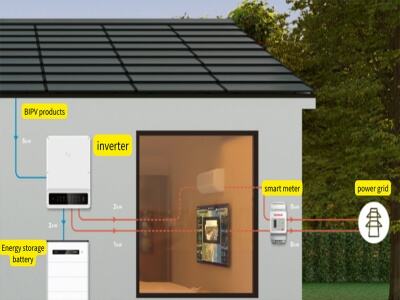
For decades, buildings have been viewed primarily as energy consumers. From lighting and HVAC systems to smart home appliances, our living spaces rely heavily on external power grids. However, as the world pivots toward a "Net-Zero" future, a quiet revolution is happening on our rooftops. The rise of Building Integrated Photovoltaics (BIPV) is transforming homes from passive structures into active, self-sustaining power stations.
The Shift from "Bolt-On" to "Built-In"
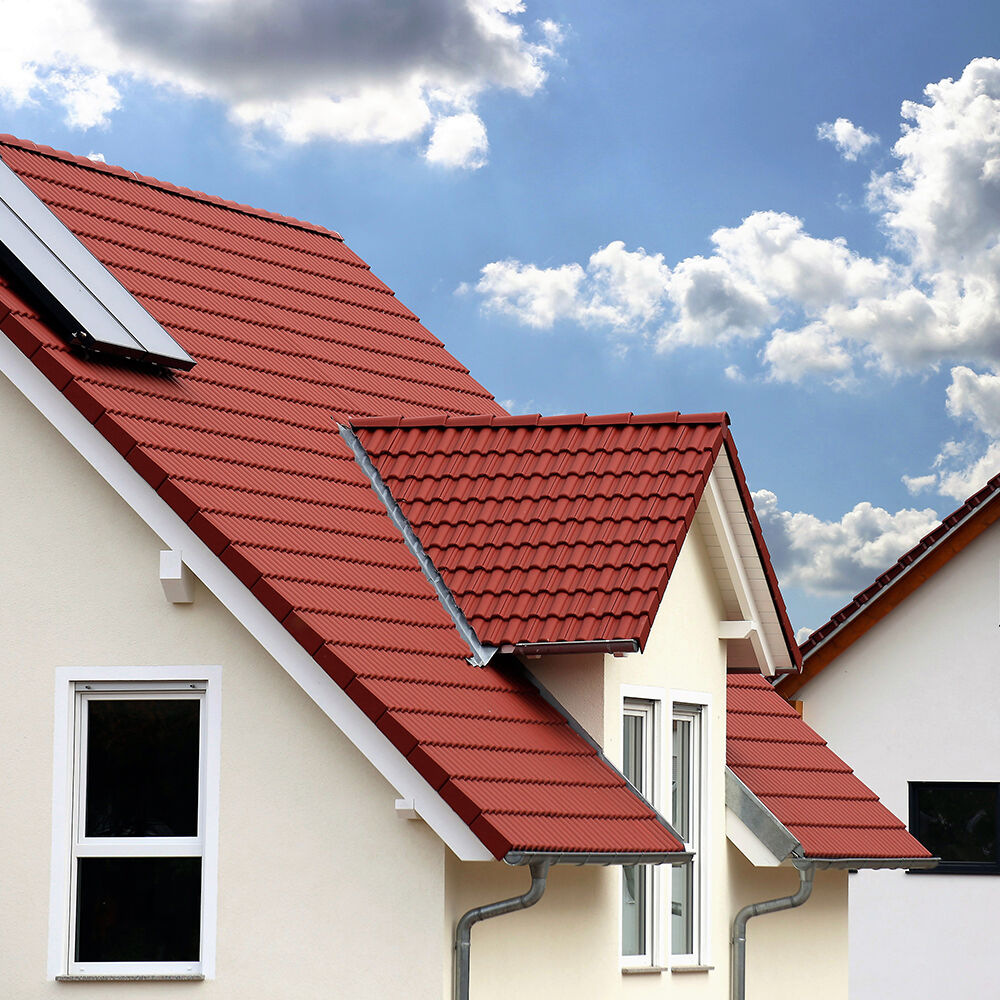
Traditionally, adding solar power meant installing bulky, heavy crystalline panels over an existing roof. While functional, this "bolt-on" approach often compromised the building's structural integrity and aesthetic appeal.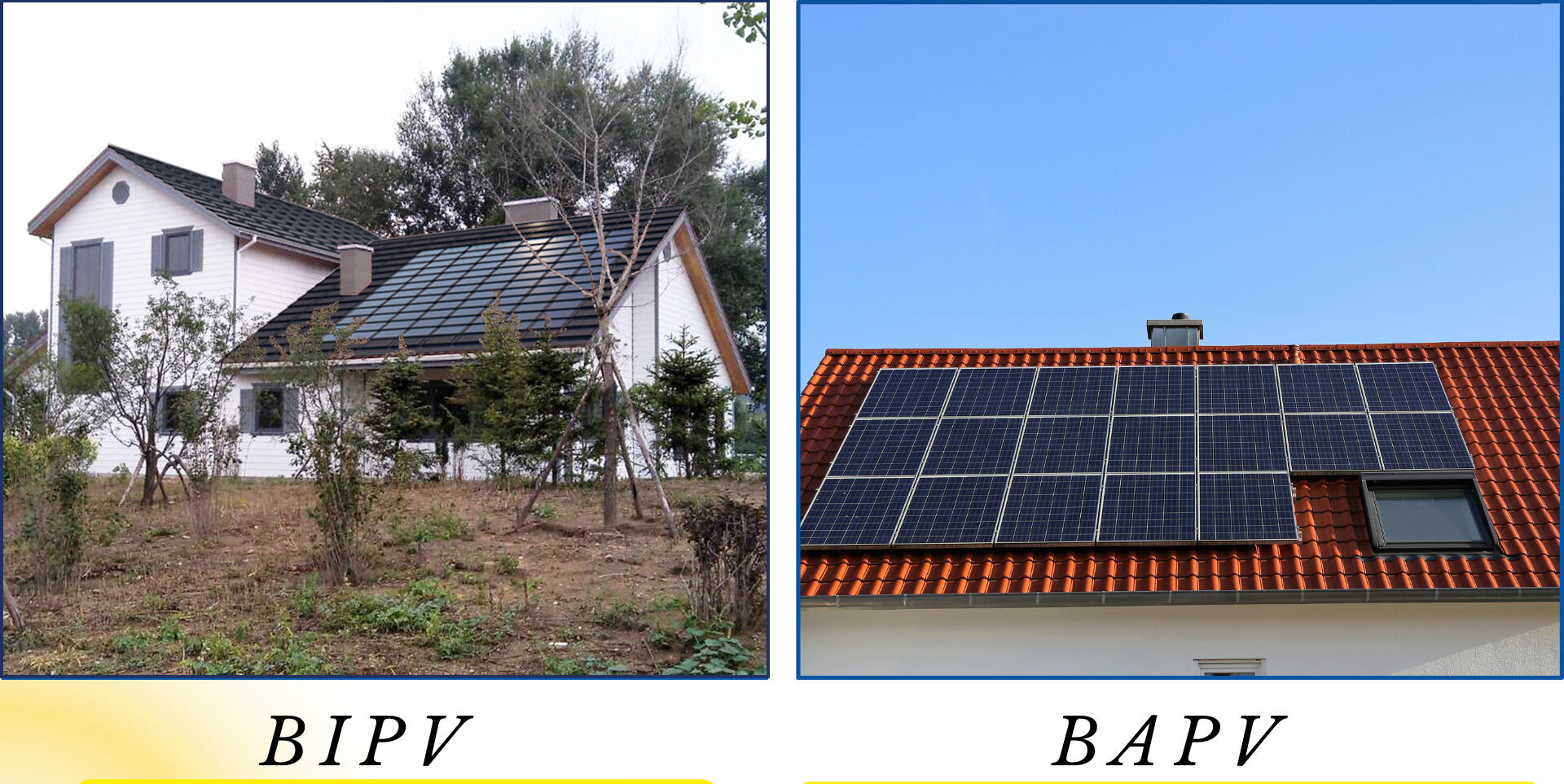
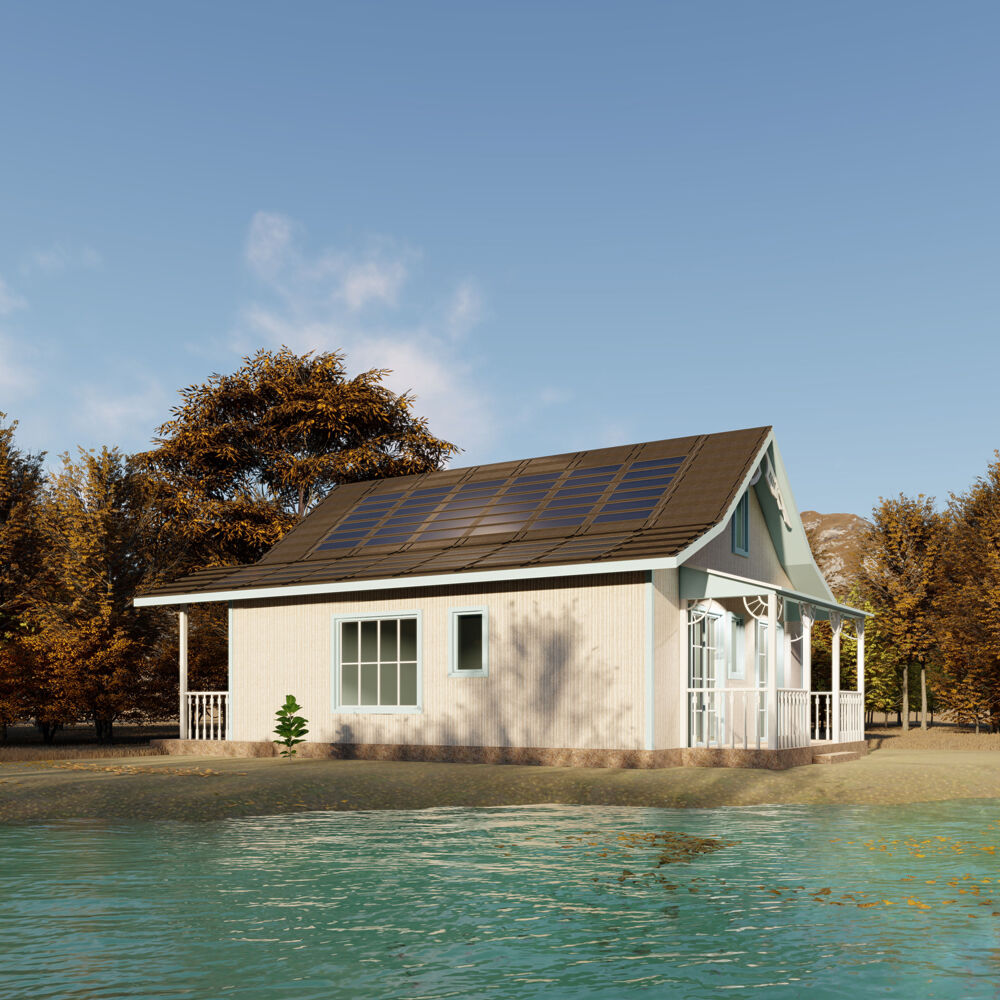
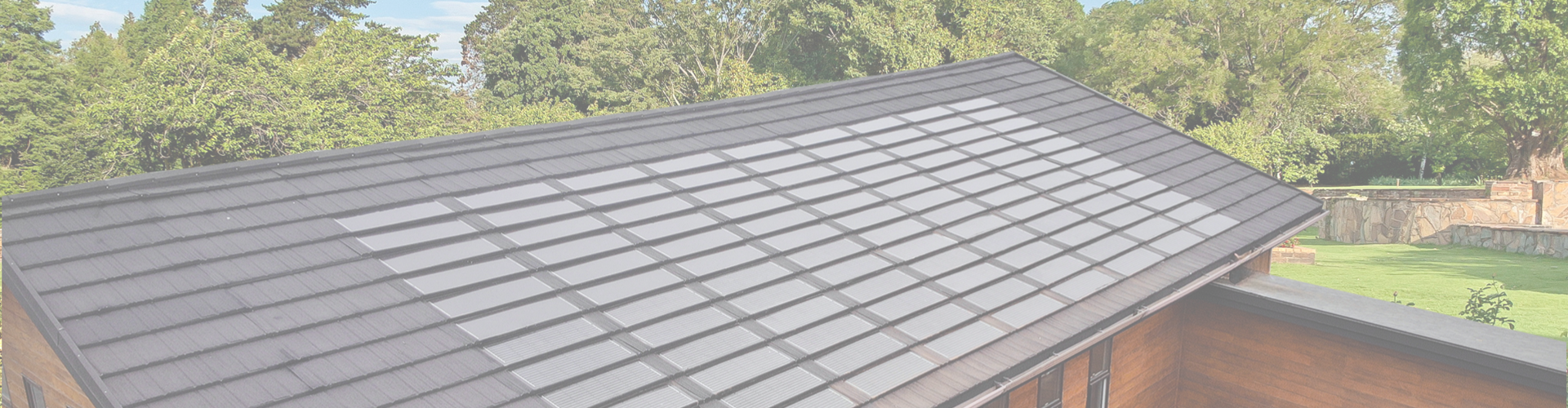
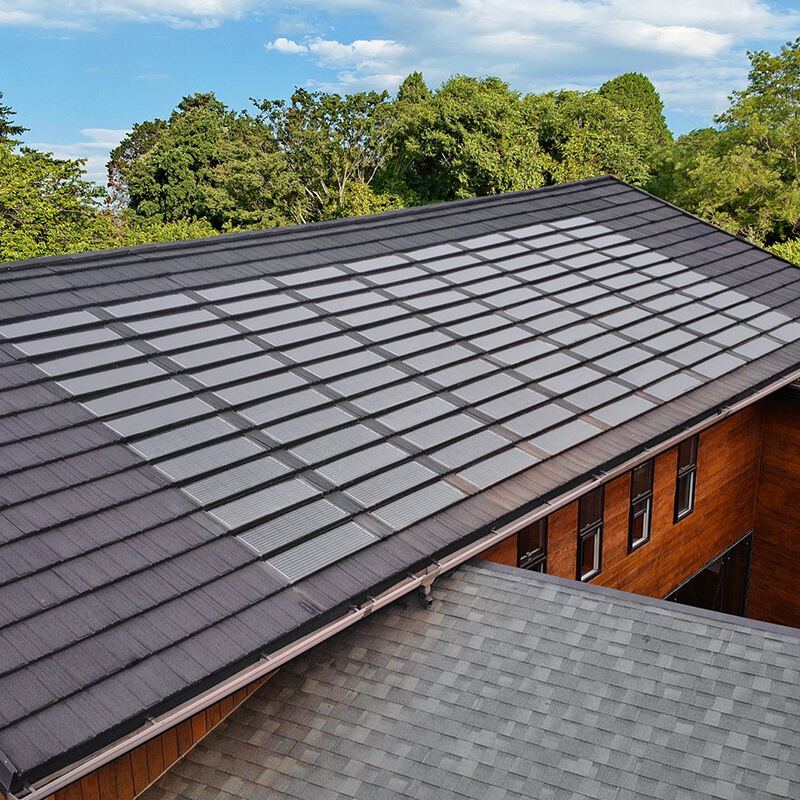
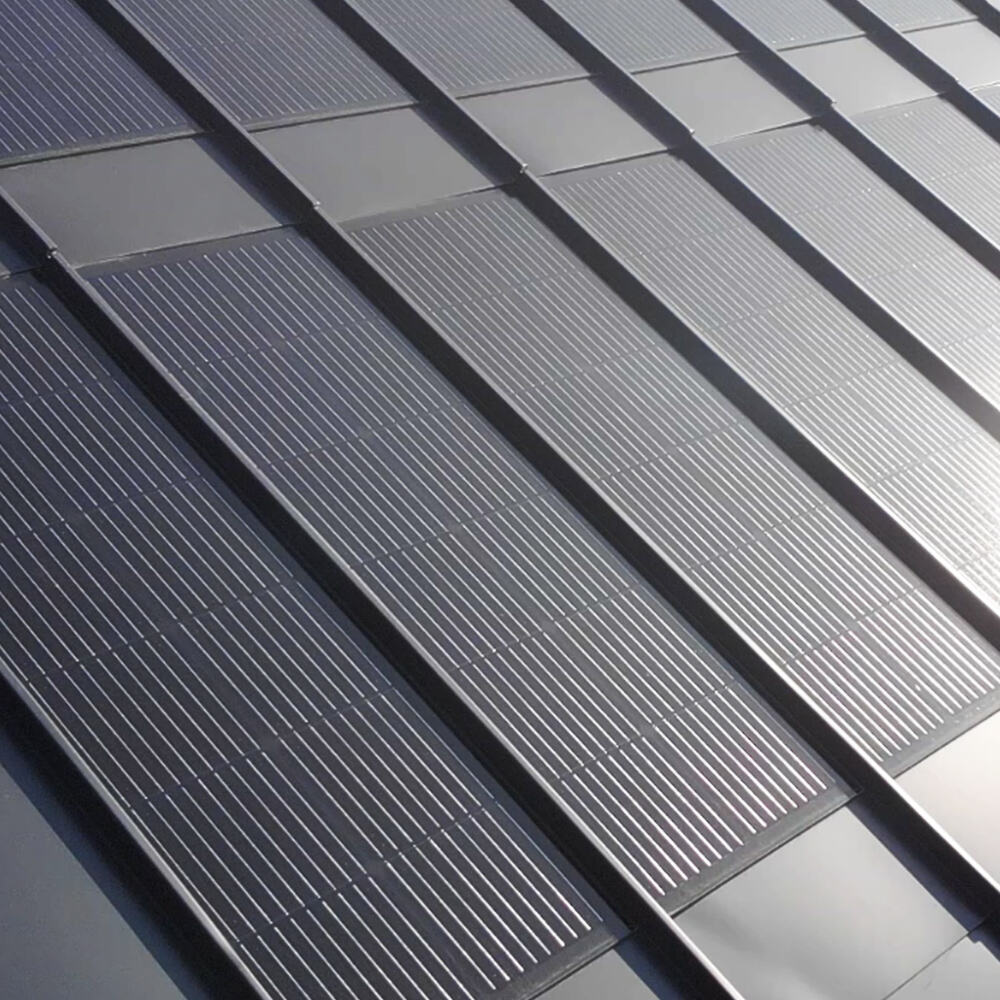
This is where Top Energy A Series (TE-A) represents a paradigm shift. BIPV isn’t just about putting solar on a roof; it’s about making the solar cells the roof. By integrating high-efficiency monocrystalline silicon directly into stone-coated metal tiles, we have eliminated the boundary between construction materials and energy technology.

Global Policy as a Catalyst
The transition to BIPV is no longer just a choice for eco-conscious homeowners—it is being driven by global policy:
- ✔ European Green Deal: With the goal of making Europe climate-neutral by 2050, new regulations are increasingly mandating onsite renewable energy for residential buildings.
- ✔ Carbon Neutrality in Asia: Governments are rolling out subsidies and grid-connection incentives that allow homeowners to sell excess electricity back to the public grid.
- ✔ Resilient Infrastructure: In regions prone to extreme weather, policies are shifting toward decentralized energy grids.
The Economic Logic: ROI and Beyond
When you choose TE-A, you aren’t paying for a roof and a solar system separately. You are investing in a single, high-performance building skin that pays for itself. With a typical payback period of 6 to 8 years and a 30-year warranty, the roof becomes a financial asset that generates passive income through energy savings.
 Hot News