EN
EN

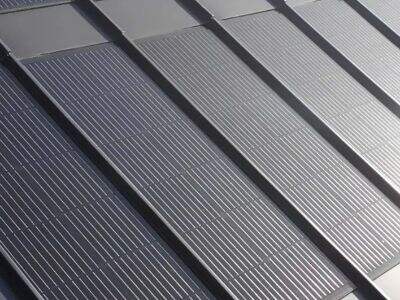
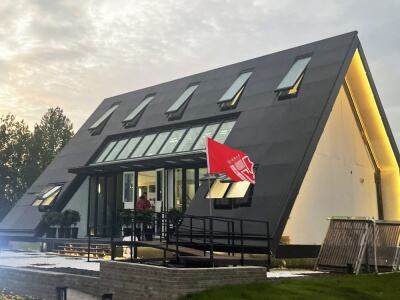
The world is changing, and so too are the ways we construct our homes and offices. More people also care about the environment today and want buildings that help not hurt our planet. One interesting way to do this is through the use of Building-Integrated Photovoltaic (BIPV) roofs. These roofs are no ordinary roofs; they can turn sunlight into electricity! Top Energy is excited to be part of this significant transformation. We are on the way to a greener future with buildings that create their own energy. This post will discuss why bipv roofing are essential for green buildings. We’ll also tell you about how to save money on energy bills.
Why BIPV Roofs Are the Future of Green Buildings?
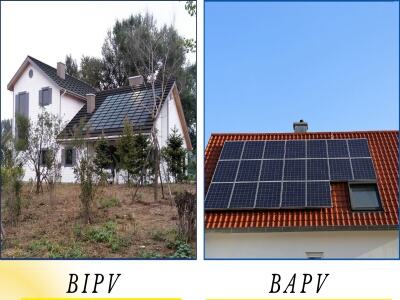
BIPV roofs are critical and valuable in the category of sustainable architectural systems due to their two key roles as protection from outdoor environments and as energy providers. Conventional Editions Roofing does nothing to improve the environment. They just hang out until they wear down. BIPV roof is both a roof and the power source. This means we will be able to employ less material as we don’t have to incorporate a separate solar panel system. Imagine a roof that is attractive and functional, keeping your home warm or cool and even producing energy to power your lights and appliances. That’s what bipv roof do.
They can also be styled to complement the design of the building. They can be constructed in a variety of shades and styles, so they’re not just utilitarian but also pretty. In cramped urban centers, where green space is at a premium, the availability of such roofs can not only increase the use and revenue of wasted rooftops. Plus, these roofs can also mitigate the heat buildings absorb by making it cooler inside. That means you need less air conditioning, which is good for the environment and your wallet.
On top of that, the BIPV roofs are seen as contributing to the concept of a self-sufficient energy supply. Buildings that produce their own power put less strain on massive power plants that can pollute the air. So what does this mean for everyone else? Cleaner air! And the more that buildings adopt BIPV, it can help bring down electricity prices in the future. We can make a major impact in the battle against climate change by getting more people to consume clean energy. Every building is capable of making a contribution towards a cleaner, greener world.
BIPV roofs may make green buildings more affordable because they can reduce energy costs. How? For one, buildings can cut their dependence on traditional sources of power by creating electricity from the sun. That means they can cut costs on their electric bills. For example, a home with a BIPV roof may create sufficient energy to run its lights, appliances or even heating or cooling systems. When families have to pay fewer bills, they can use their money for other important stuff, like food or education.
Additionally, the BIPV roof can contribute to cost savings long-term from maintenance. As these are heavy duty and strong roofs they generally last longer than a standard roof. This will result in homeowners being able to go longer before needing to replace their roofs. Some governments also provide tax credits or rebates for the use of renewable energy in terms of BIPV based buildings. This has the potential to reduce the up-front cost of a BIPV roof so that it is accessible for people with budgets at every level.
Moreover roof made of BIPV can add to the value of a property. Energy-efficient, sustainable homes and buildings are often more attractive to potential buyers. And when it comes time to sell, a building with a BIPV roof may be worth more than one without.
To sum up, BIPV roofs are not the fashion – they are what the modern green building is going to look like. They’re beneficial for the environment, budget-friendly and can even enhance a building’s design. As such we are proud to be part of this trend, and a leader, in constructing homes and offices not only good for our planet, but caring for our communities. Together, with BIPV technology, we can all make a positive contribution to an even brighter greener future.
Common BIPV Roof Usage Failings and How to Fix Them
Building-Integrated Photovoltaic roofs or BIPV roofs are special types of roofs that generate electricity from sunlight. They’re attractive and help buildings save energy. But they share some problems. One concern is that BIPV roofs can be more costly than conventional ones. Those high upfront costs are a source of a lot of people’s anxiety. But, you should consider the long-term savings. The bipv roofing system can deliver lower electricity bills, insofar as they generate power from sunlight. To defray the costs, Top Energy has a variety of financing options. This means people can find it easier to pay off their new roofs over time rather than on the spot.
Another obstacle to BIPV roofs is that they are new, and many potential users do not know much about them. This could potentially make it confusing as to how they function. To address this problem, education is the answer. Top Energy holds information sessions and workshops to help people understand how BIPV roofs work, and why they are an asset for the environment. When people hear the benefits, they are more likely to be willing to deploy it.
And sometimes people fear BIPV roofs are not durable. They may believe that, being made out of glass or some other material, they are not going to last as long as a roof made from more traditional building materials. But BIPV roofs were designed to be rugged and enduring. Top Energy only utilizes the best materials which are resistant to various weather conditions. To make customers as confident as possible, we provide warranties on all potential issues that may arise after installation. That way, people know they are investing wisely.
Finally, BIPV roofs are more difficult to install in parts of the country with very rigid building codes. These regulations can be a bottleneck. But, Top Energy carefully adheres to these codes by partnering with local authorities and building departments. We assist clients in determining the rules so that they can have their BIPV roofs installed without delay. By addressing these widespread problems, we can enable many more people to experience the advantages of BIPV roofs.
Recent Trends In BIPV Solar Roofing Technology
BIPV roofing is evolving rapidly, and new developments are helping it become even more efficient. Among the most significant trends is that materials are becoming more flexible. In the past, hard glass was used as a material for BIPV roofs. Now, companies such as Top Energy are deploying new flexible solar panels that can fold and bend and fit onto different kinds of roofs. This means that even 'curvy' or odd shaped roofs can take advantage of solar power. This versatility creates many opportunities for homeowners and developers.
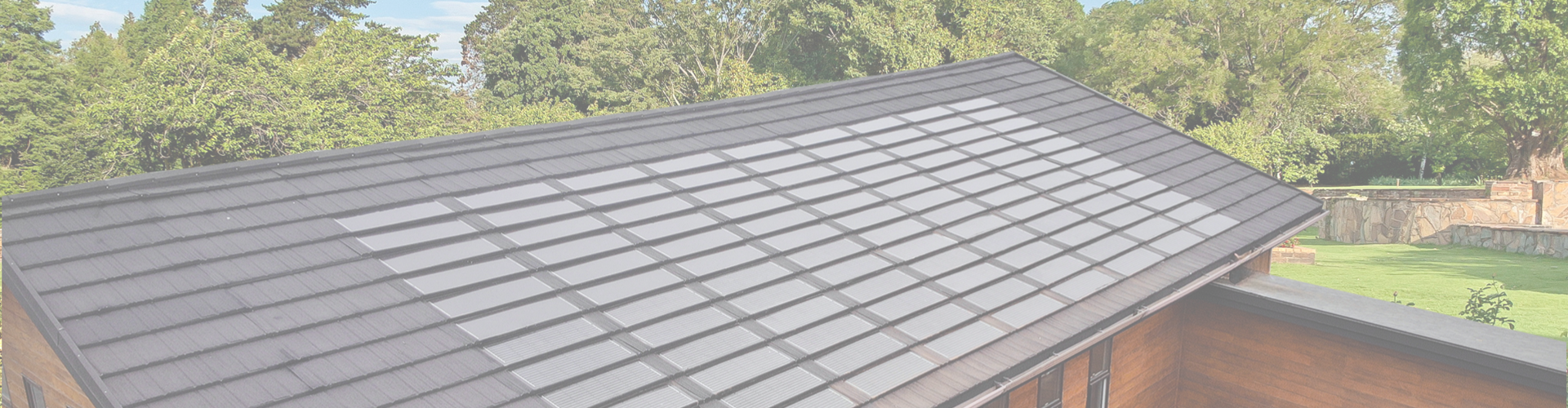
Another exciting trend is the solar tiles. They look just like regular roof tiles, but they’re fitted with solar cells. They also match the color of the roof so they are not as pronounced. This is perfect for anyone who wants to tap solar power but doesn’t want their roof looking different. Top Energy is leading they way with its sleek and stylish solar tiles that look great on your home, while also saving you money.
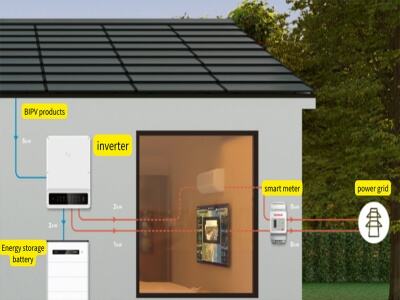
Energy storage is trending, too. Most people are sleeping during the day, and they want to use the energy in the evening or at night. New battery designs are being developed that are compatible with BIPV roofs. These batteries save the extra energy, so homes can run on solar even when the sun isn’t shining. Top Energy is cooperating with professional battery factories to offer the most competitive energy storage solutions. That way, families can be more self-sufficient and depend less on the electric grid.
Last but not least, smart BIPV roofs are becoming even smarter. New systems can track how much power is being generated and used. This can help homeowners know when they are saving the most energy. Top Energy is creating applications that integrate with BIPV roofs so users can monitor their electricity consumption directly from a smart phone. This is a technology that lets homeowners be more thoughtful about their energy use, and that makes it easier for them to save even more.
How BIPV Roofs Are Changing the Future of Green Architecture?
Roofs made of BIPV are transforming what we mean by architecture and sustainability. They are a key part of green architecture, which seeks to construct homes and buildings that are good for the planet. Big BIPV roofs are making a big difference in saving energy. Old-fashioned buildings are also frequently powered by non-renewable energy sources, such as coal or gas, which is no good for the environment. But with BIPV roofs, structures can generate their own energy straight from the sun. That means less pollution and a smaller carbon footprint, all of which is better for our planet.
Another significant advantage is that BIPV roofs can increase the energy efficiency of buildings. From a building standpoint, the less energy they consume, the more their energy costs decrease. This is a "win-win" for the environment and also homeowners. “Top Energy” is promoting this movement, with durable BIPV roofs that help buildings to save energy and costs. It is quite the fashion statement to go green with our buildings nowadays, and BIPV roofs have a big role in this.
BIPV roofs are highly versatile as well. They vary in design and color, giving architects and builders a lot of room for creativity. That is, green buildings can be both beautiful and unique not simply useful. Top Energy supports creative design, which all in all makes creative imagination reality and still aims for sustainability. This kind of creativity is testament to the fact that being green doesn’t have to sacrifice style.