
Home >
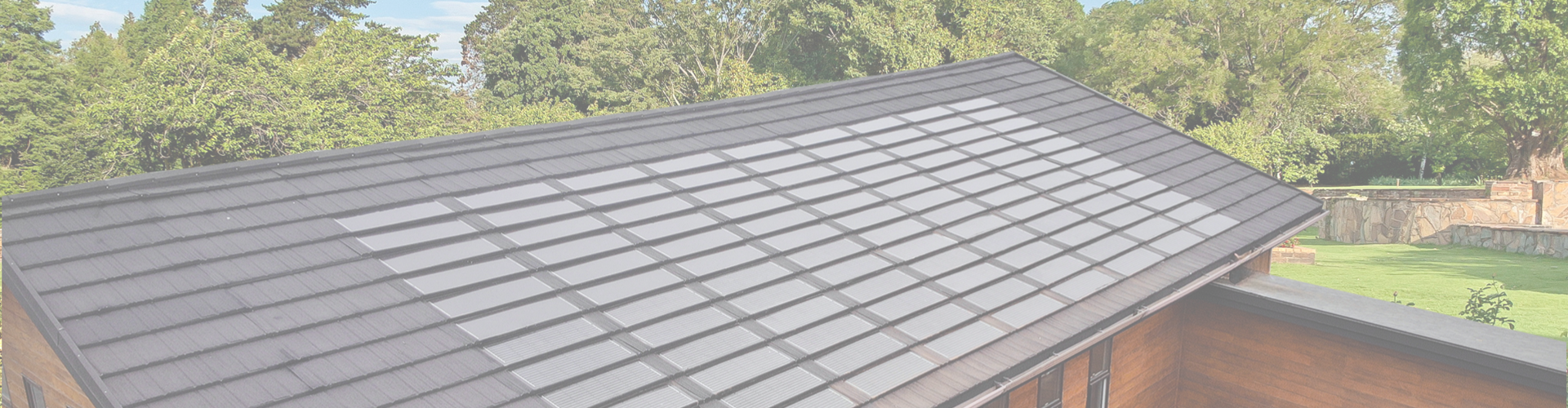
Building-Integrated Photovoltaics (BIPV) is a contemporary method that allows buildings to harness solar power. BIPV systems are designed to integrate into the building rather than be plopped on top of its roof. That is to say, they could be attractive while still converting sunlight into electricity. At Top Energy, we know that BIPV roofs are a smart choice for both homes and businesses. They aid in reducing energy bills, are environmentally friendly and contribute to the value of properties. Now, let’s take a closer look at how to select the right BIPV roofing solution for your use case and why BIPV roofs are increasingly in demand within construction.
When it comes to BIPV roofing, the right system can seem hard to find because there are so many options! First, consider your building’s architecture. Is it modern or traditional? You want the BIPV to fit with your building style. For instance, if you have a slick and modern home, then perhaps BIPV tiles that are flat and shiny would work best. If your structure is older, you may opt for tiles that resemble more conventional roofing components. Next, consider your energy needs. First, how much electricity do you hope to produce? This will help you determine the appropriate size of BIPV system to install. And consider your local weather. In sunny locations, you can receive more power from your BIPV. Conversely, if you live somewhere cloudy, you might need a system with more panels to generate enough power. Plus, think about your budget. BIPV systems may be more expensive than standard roofing but can result in savings over time through lower energy bills. And there’s also, finally, the prospect of working with a BIPV-friendly company such as Top Energy. They can assist you in selecting the appropriate materials and design for your applications. That way, you’ll be confident that your new roof is aesthetically appealing and functional. If you are particularly interested in styles, consider exploring our TE-A – Stone Coated Metal Solar Tile or TE-B – Standing Seam Steel Solar Tile options.
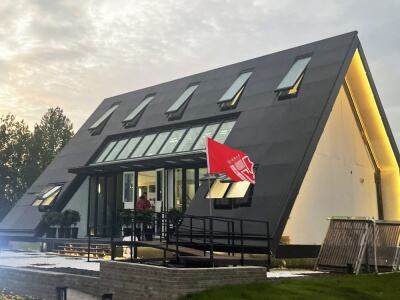
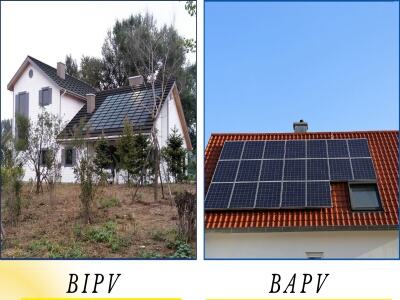
There are a variety of reasons of why BIPV roofing is becoming a hot thing in the construction industry. “People are more cognizant about climate change, and they’re looking for ways to be greener,” she says. BIPV systems limit carbon footprints as they effectively use solar power instead of non-renewable sources. Several communities and states are offering incentives to use solar power, adding to BIPV's allure. The aesthetic appeal is another reason for the trend. Traditional solar panels can appear unwieldy, and out of place at times, where BIPV systems can be designed to look like it belongs. That means they could look as nice as any other roof and generate electricity. And BIPV roofing can increase the value of home. A building with a chic BIPV roof can be made that much more attractive to buyers or renters looking to go green and cut energy costs. And as technology gets better, BIPV systems are getting more effective and easier to install. We’re thrilled by this progress, here at Top Energy, because it means that more Kiwis can experience the benefits of solar power. BIPV roofing is more than just a fad - it’s a move in the right direction toward sustainability.
BIPV stands for Building-Integrated Photovoltaics. This also means that a building’s roof can generate electricity from the sun. You can make your building look nice and generate energy at the same time when you use BIPV roofing. To begin designing your building for better performance with BIPV roofing, consider the shape and orientation of your roof. The south-facing roof typically receives the most sunlight, ideal for BIPV panels. If your building has a flat roof, you have the option of using smart BIPV tiles that resemble ordinary roofing material. This way, your roof can match the rest of the building it’s on without shunning sunlight.
How To Choose BIPV Roofing Perhaps the most important factor in using BIPV roofing is selecting the right materials. At Top Energy,we provide diverse BIPV products for different buildings. Certain materials are more conducive to gathering sunlight than others, so do your research. Also take into account how much sunlight your region sees in a year. This will give you an idea of how much power you will be able to produce with your BIPV roof. You can also collaborate with architects and engineers who are familiar with BIPV technology to ensure your design is as good as it possibly can be. They can guide you on things like the orientation of your roof and how to position the panels to capture the most light. For roofing solutions, you might want to look into our TE-C – Asphalt Solar Shingle which is designed to enhance both aesthetics and energy production.
Finally, consider the long-term advantages of installing BIPV roofing. You will not only save on energy bills, but you also contribute to the environment. BIPV systems contribute to the reduction of carbon emissions as they are powered by solar, a renewable energy. This makes your building more sustainable and can increase its value over the long run. Through collaboration with Top Energy and factoring in these considerations, you can design an attractive and efficient building that maximises BIPV roofing technology.
If you are looking to purchase BIPV roofing products, then it is essential you hit the right spot. Shopping wholesale is one of the best ways to find high-quality BIPV materials at a fair cost. One of the advantages of buying wholesale is that you have access to larger quantities, and therefore lower prices. Top Energy provides a range of BIPV roofing products suitable for different types of buildings. If you are interested in finding out more about us and what we do, visit our website, or give us a call.

Dalian Quacent provides patented BIPV solar roof tile solutions that integrate energy generation with architecture, delivering efficient, safe, and cost-effective solar roofing systems.
 EN
EN