
Home >
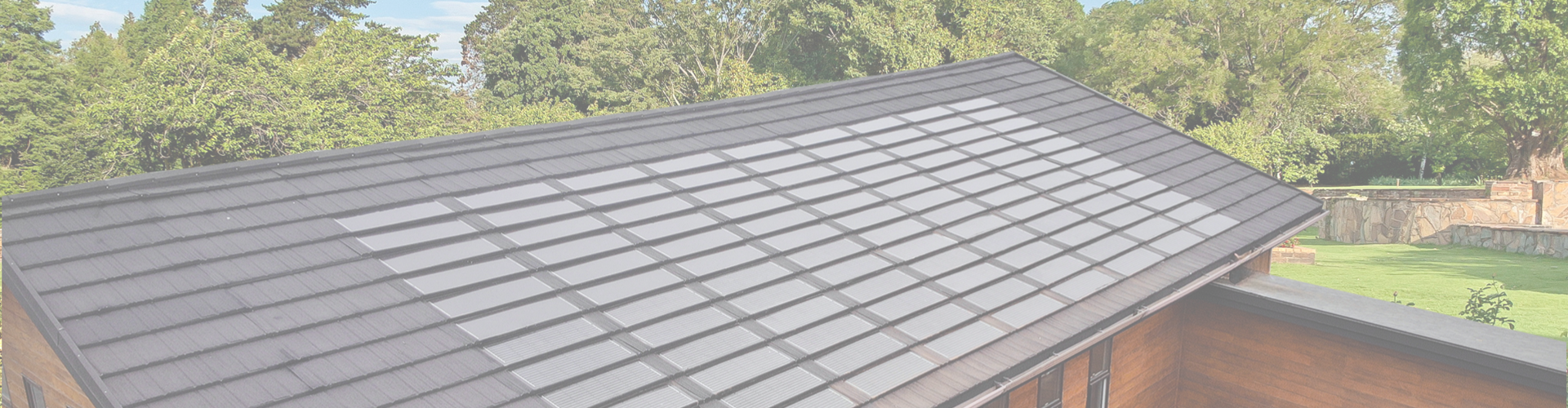
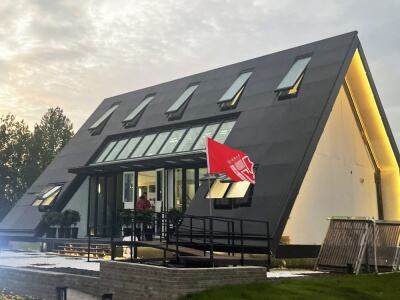
“White PV” is not actually “white,” rather it's semitransparent, but it offers an innovative way to use solar in construction. Instead of placing solar panels on top of buildings, BIPV materials are incorporated directly into a building’s walls, roofs or windows. So the building is, in effect, generating electricity and looking great. Utilities such as Top Energy are including BIPV in a number of new buildings. The technology is greener, too, not needing as much extra land and resources ||Oops! It’s finally a place where people are paying more attention to being green and saving the planet. BIPV provides one way to achieve that and in a way that also makes beautiful yet useful spaces.
There are many good reasons to use BIPV in your modern building. First, it helps save electricity. And when buildings produce their own power, there is less demand on the grid. That can lead to lower electricity bills, which has obvious appeal for homeowners and businesses. Picture a school that would generate its own electricity by harnessing sunlight to power lights and computers. This is possible with BIPV. Second, the adoption of BIPV can add value to a building. There are many buildings with solar energy technology, and these properties sell for more money than those without the systems because individuals want to live or work in energy-efficient places. There’s also the environmental impact. With the help of BIPV, we can reduce our carbon footprints as solar energy is clean and sustainable. Less pollution, a healthier planet. For instance, a new office building constructed with BIPV might generate enough energy to light and operate everything within. It’s not just the money; it’s about saving the Earth.” Second is visual appeal. BIPV can be produced to complement the building’s architectural style taking on cool and modern looks. You can replace clunky solar panels with transparent windows that double as solar-power generators. This alters the way we conceive of buildings and energy. Finally, the BIPV can offer additional building protection. The materials themselves can often assist with insulating and protecting against weather, making buildings cooler in the summer and warmer in the winter. That means less need for heating and cooling, which saves even more energy. BIPV is more than just a trend—it’s a smart move for a sustainable future. For those interested in integrating this technology, the TE-A – Stone Coated Metal Solar Tile offers an excellent option.
When choosing BIPV systems, there are several key items to consider. First, examine the design and how it integrates into the building. BIPV can be found in many styles, ranging from colorful glass to trim panels. You’ll want to select a design that complements the style of your building. For a modern office that could mean shiny glass that reflects the sky and for a home this may include warmer hues. Next, consider the energy consumed by the building. Certain buildings require more power than others. If a building will use large amounts of electricity, it could require more space for BIPV. Top Energy works with you to help determine the right-sized system for your household. Location is another aspect to bear in mind. Is the building located in an area with lots of sun? Or is it often cloaked by trees or buildings? How much sunlight a building receives can also play a role in how much energy the BIPV will generate. For instance, a sunny house might be able to generate a lot of power with smaller panels while a shady building could require larger ones. Cost is also important. Some types of BIPV solutions may be more costly initially, but all dent less in the long term through energy savings. The long-term costs are worth considering. Finally, think about maintenance. Not all BIPV systems are less to maintain. What you’re looking for is a system that doesn’t demand frequent repair or need cleaning. All these factors must be really well considered to select the correct BIPV solution. Experts like Top Energy can help you navigate the process and find the best fit for your project, including options like the TE-B – Standing Seam Steel Solar Tile.
BIPV systems (which stands for Building Integrated Photovoltaics) are special technologies that allow building take in sunlight and convert it to electricity. They are a brilliant concept, however there are certain problems that a lot of people encounter with them. For one thing, the costs are out of control. BIPV systems can be costly to install. A lot of people wish to use solar energy, but are plagued by the cost of installation; this can be expensive for potential users. This can make it difficult for some homeowners or small businesses to decide how to use BIPV systems. Another problem is the design and installation. BIPV systems are integrated into the building envelope, such as windows and roofs. That’s why they must be well – designed and installed so that they perform well. If set up improperly, they may not gather enough sunlight or they might leak into the building. The durability of BIPV materials may also be a concern to some people. Not all BIPV products will hold up as well as conventional construction materials. They are expensive to repair if they break or wear out. Finally, efficiency is also a concern. BIPV installations often do not generate power as efficiently as standalone PV. This could mean they won’t generate as much power, which may be an issue for bigger buildings that consume a lot of electricity. Recognising these challenges, Top Energy goes out of their way to assist customers find the perfect product that meets all your requirements.
BIPV is transforming the way in which we look at renewables. As an architectural application, building-integrated principles systems makes our buildings capable of producing clean energy while also contributing to their beauty. One major difference is in how BIPV opens up access to solar power. Because BIPV systems can be integrated into the design of the building, they can also be used in locations where traditional solar panels may not fit. For example, a tall office building can have solar windows that are decorative and generate power at the same time. This is particularly crucial in densely packed cities. Another manner in which BIPV is changing the equity power market is by encouraging energy independence. No longer totally dependent on fossil fuels, when they produce their own energy. This is better for the environment, and for communities as they become more self-sufficient. Further, BIPV promotes creative processes in terms of building design. “Now architects, now builders are starting to think outside of the box in terms of incorporating solar technology,” Simonton said. More beautiful and efficient buildings that will help reduce our carbon footprint. At Top Energy we believe BIPV can revolutionise how the world looks and feels for future generations. It is a testament that technology and design can be brought together to imagine brighter days. There are more growing number of people who understand the advantages provided by BIPV, which translates into greater investment and R&D in this area. Therefore, we are about to see more BIPV systems also in houses, schools and businesses that will be paving the way for renewable energies.

Dalian Quacent provides patented BIPV solar roof tile solutions that integrate energy generation with architecture, delivering efficient, safe, and cost-effective solar roofing systems.
 EN
EN